The Therapeutic Benefits of Bonsai: Nurturing Nature, Nurturing Ourselves

As someone who’s 68 years old and has a deep connection with nature and loved ones, I often meet people who are beginning their bonsai journey as a way to support their mental health. Bonsai has brought a deep sense of peace into my life, and I’m grateful for the tranquility it continues to offer.

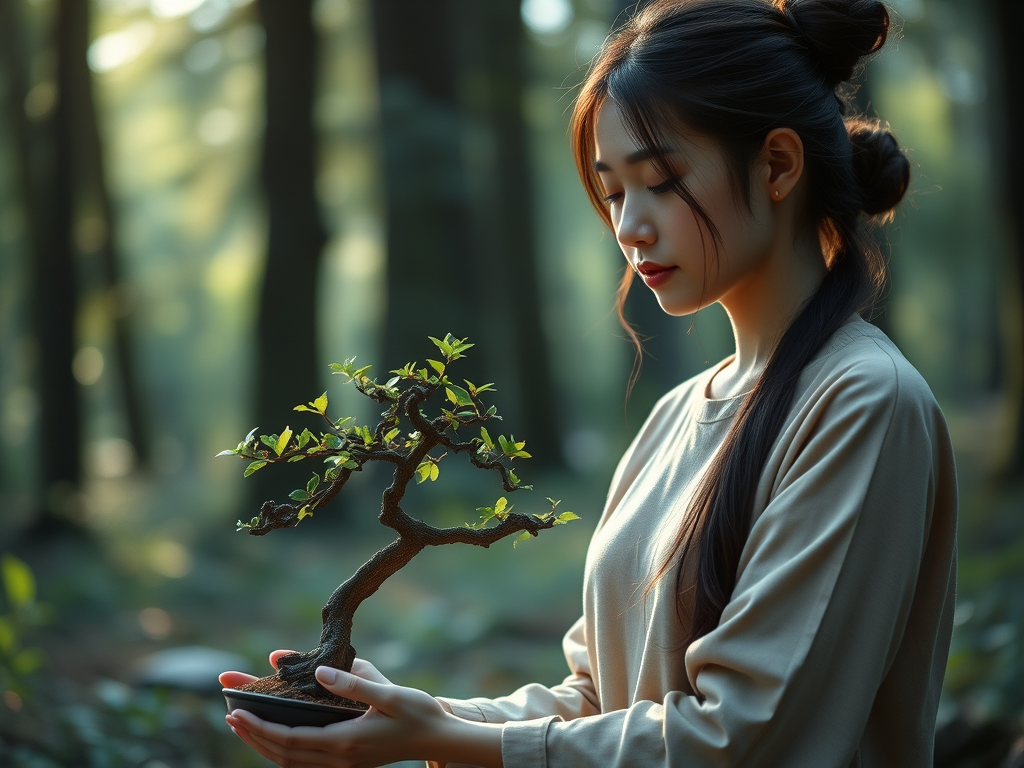
Bonsai offers more than just aesthetic pleasure; it provides profound benefits for mental health and overall wellbeing. Bonsai requires skill and patience but also fosters a deep connection with nature that can significantly enhance mental and emotional health.

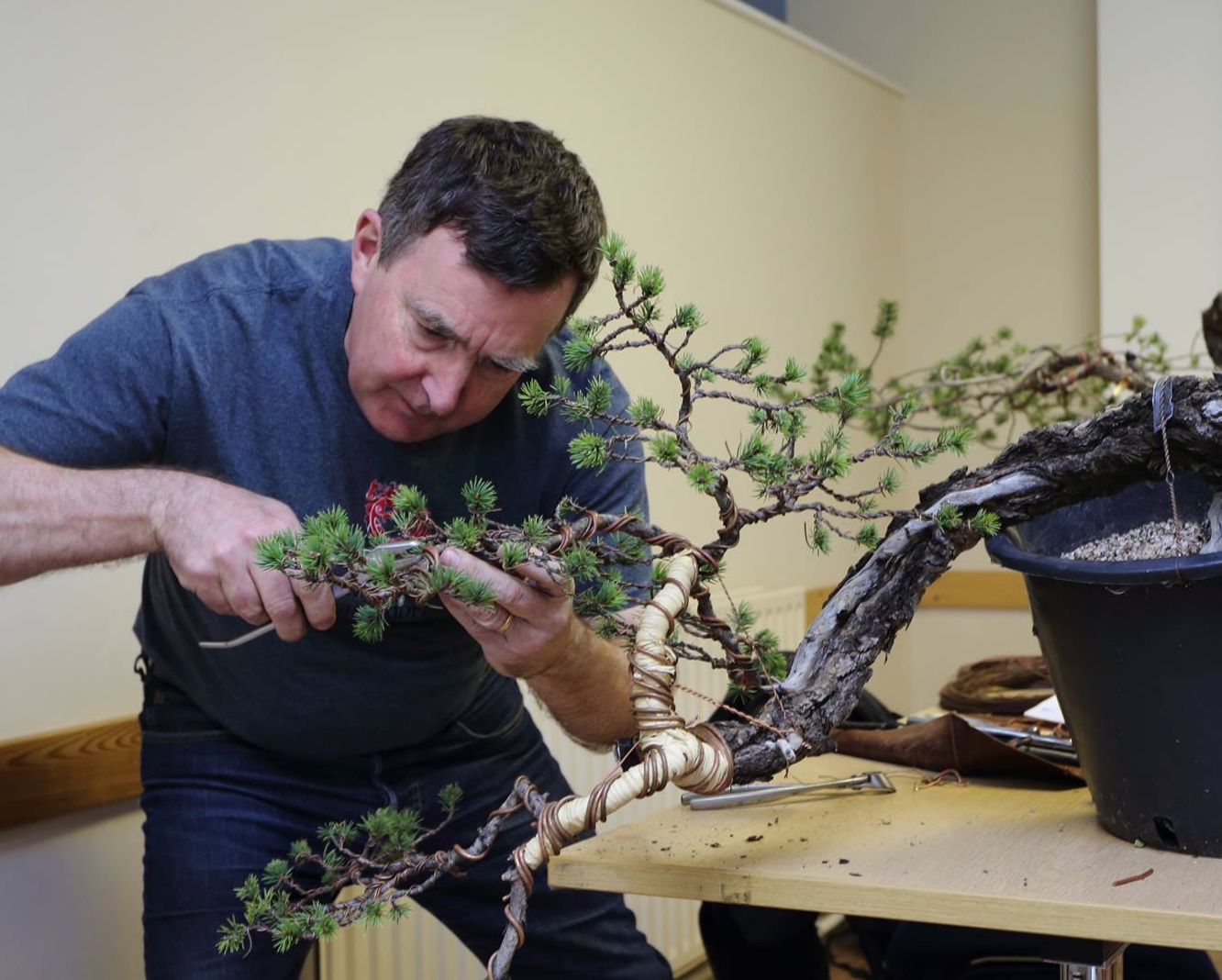
The process of creating and maintaining bonsai is inherently meditative. It demands mindfulness and concentration as practitioners meticulously prune, wire, and care for their miniature trees. This focused attention on the intricate details of each tree’s growth promotes a sense of calm and reduces stress levels. In a world filled with constant distractions, the act of tending to a bonsai encourages individuals to slow down, be present in the moment, and appreciate the beauty of nature unfolding in miniature form.

Studies have shown that interacting with nature, even in its miniature form as bonsai, can have profound effects on mental health. Engaging with bonsai gardening has been linked to reduced levels of cortisol, the stress hormone, leading to decreased anxiety and improved overall mood. The rhythmic, repetitive tasks involved in bonsai care can also induce a state of relaxation similar to meditation, promoting a sense of wellbeing and mental clarity.

Beyond stress reduction, bonsai gardening offers therapeutic benefits that extend to emotional and psychological wellbeing. The sense of accomplishment that comes from nurturing a bonsai tree from its early stages of development to maturity can boost self-esteem and foster a positive outlook on life. The long-term commitment required to care for bonsai encourages patience and resilience, qualities that can translate into other areas of one’s life.

Caring for bonsai fosters a deep connection with nature and heightens awareness of the natural world. As individuals observe the seasonal changes and growth patterns of their miniature trees, they develop a greater appreciation for the environment and the interconnectedness of all living things. This heightened environmental consciousness can inspire more sustainable practices and a desire to protect natural ecosystems.

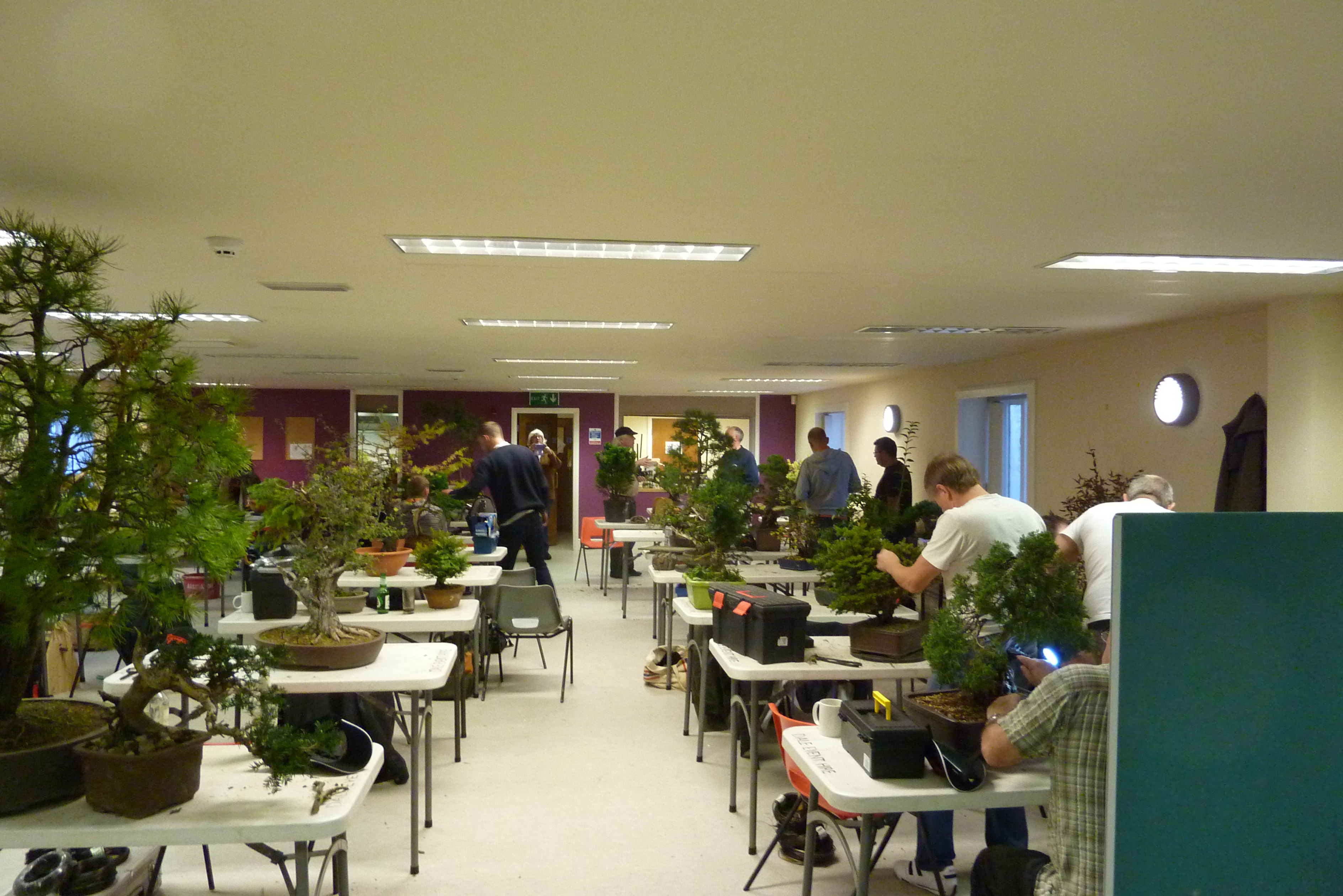
Bonsai cultivation often brings people together through clubs, workshops, and exhibitions. These communal activities provide opportunities for social interaction, knowledge sharing, and mutual support among enthusiasts. The sense of belonging to a community of like-minded individuals who share a passion for bonsai can combat feelings of loneliness and isolation, promoting a sense of camaraderie and friendship.

In conclusion, the art of bonsai goes beyond horticulture; it serves as a powerful tool for enhancing mental health, fostering wellbeing, and cultivating a deeper connection with nature. Through the mindful practice of creating and caring for miniature trees, individuals can experience profound therapeutic benefits, including stress reduction, improved mood, and enhanced overall quality of life. As we continue to navigate the complexities of modern life, the timeless practice of bonsai offers a therapeutic refuge — an opportunity to nurture both nature and ourselves in harmony.

The Art of Bonsai: Balancing Tradition and Innovation

This is a followup from my previous post

The notion that bonsai is an art form and that freedom of expression is an integral element speaks to the deep relationship between creativity and discipline within this ancient practice. Bonsai is often associated with strict guidelines, traditional techniques, and a respect for nature, but beneath this structured framework lies the heart of an expressive art form.

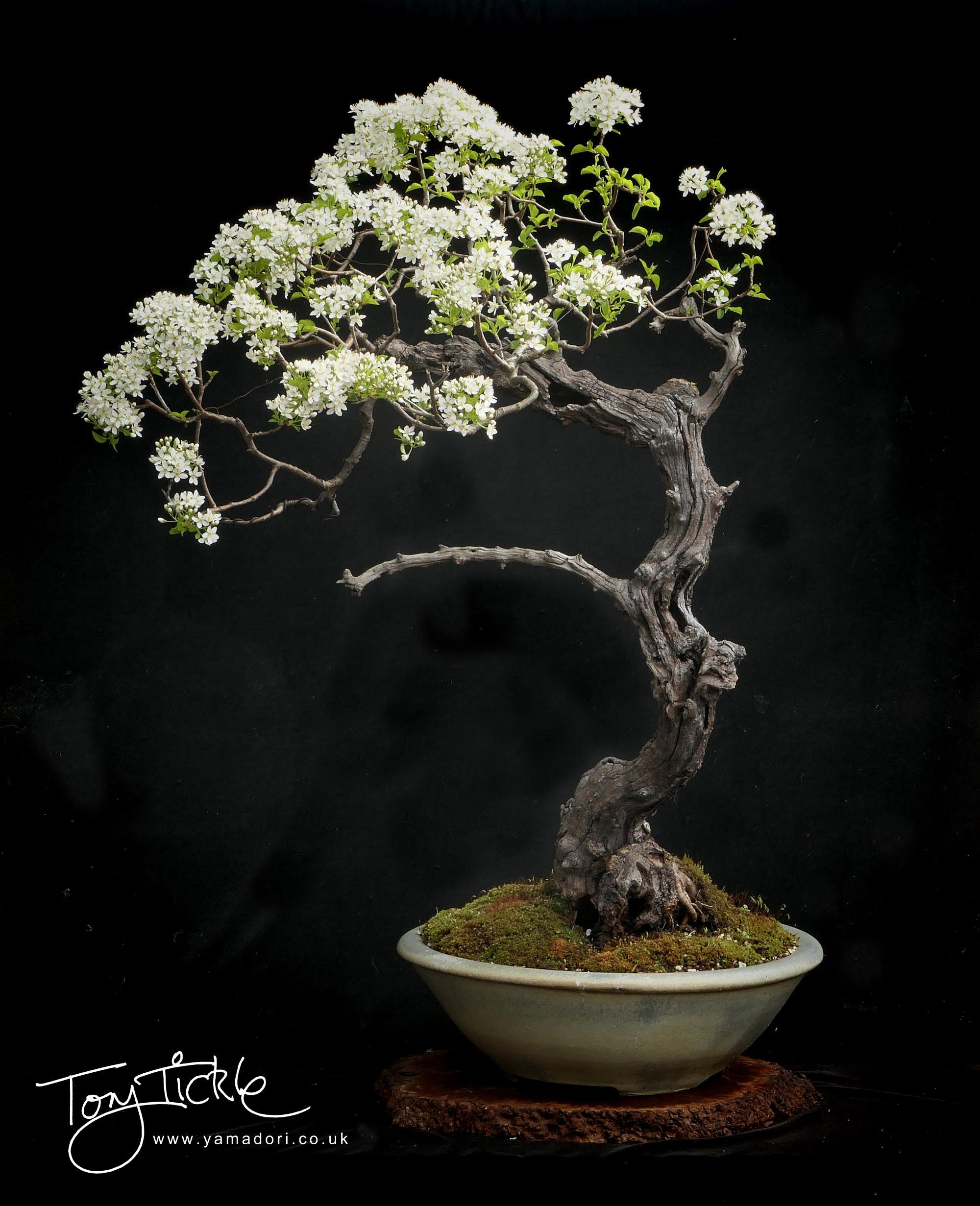
At its core, bonsai embodies many elements of traditional art: balance, proportion, composition, and beauty. Each bonsai tree is like a living sculpture, shaped over time through pruning, wiring, and other techniques. Just as a painter has a blank canvas, the bonsai artist starts with a raw tree and gradually refines it, allowing their aesthetic vision to guide the creation.

In this context, the artist is free to express their personal interpretation of natural forms. They might choose to emphasise ruggedness, age, elegance, or movement in the tree, reflecting their own emotional or conceptual responses to nature. In this way, each bonsai is a unique artistic statement.

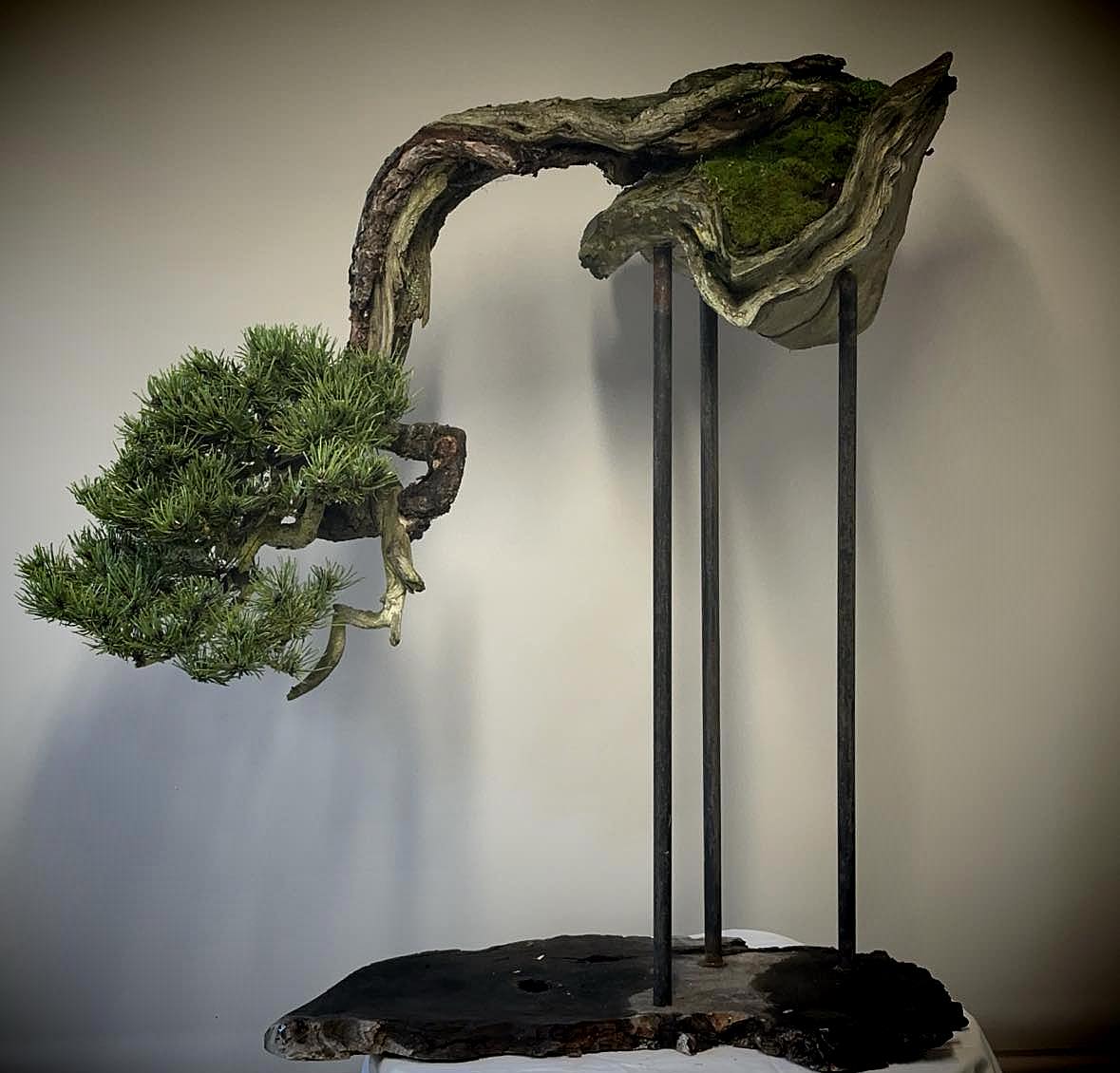
My Mugo Pine on a stone from Scotland, bespoke stand of steel and wood.

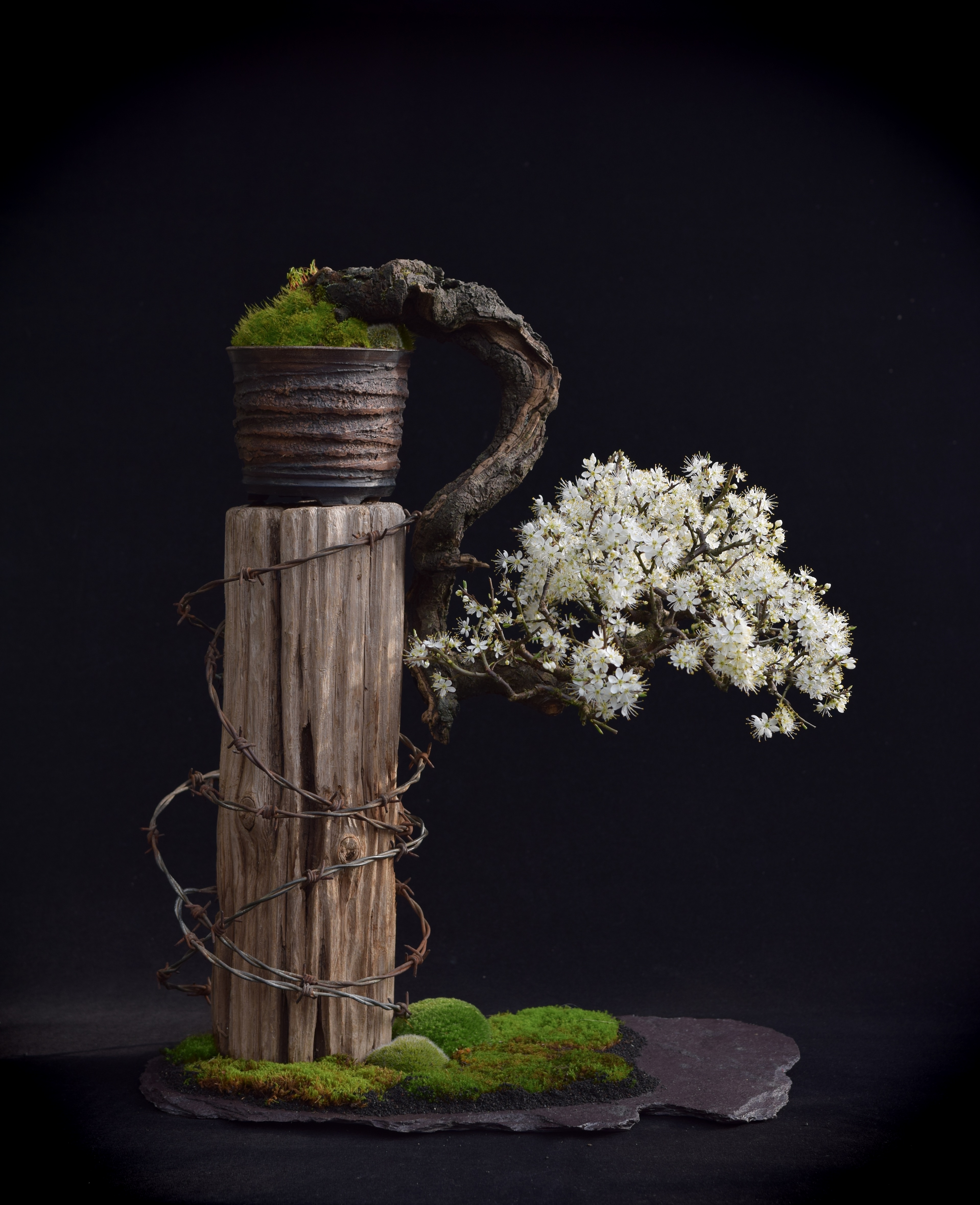
Though bonsai has its roots in Japanese and Chinese traditions, where certain styles and techniques are passed down through generations, modern bonsai artists are increasingly blending tradition with innovation. Freedom of expression allows artists to break from convention and introduce new styles or interpretations that deviate from classical forms. These creative departures can incorporate personal, cultural, or even philosophical elements, making each tree a more profound reflection of its creator.

For instance, while traditional bonsai focuses on mimicking natural landscapes, modern bonsai artists may introduce abstract shapes or unconventional techniques, pushing the boundaries of what bonsai can represent. This interplay between tradition and innovation keeps the art form alive, evolving, and dynamic.

Unlike static mediums like painting or sculpture, bonsai is a living art. The tree grows, changes, and responds to the seasons, making the artist’s relationship with it continuous. This living aspect provides even more space for freedom of expression, as artists can adapt their creations over time, responding to the tree’s natural growth and development. The artist doesn’t control nature; rather, they collaborate with it. This unique dynamic between artist and medium allows for a range of interpretations, offering freedom to either follow nature’s lead or impose a strong artistic vision.

An essential part of the bonsai aesthetic is the acceptance and incorporation of imperfection. Bonsai artists often embrace the concept of wabi-sabi—a Japanese philosophy that finds beauty in impermanence and imperfection. Freedom of expression is found in allowing these imperfections to shape the design of the bonsai. For example, deadwood, weathered bark, and asymmetric forms can all become focal points of a bonsai, highlighting the resilience and natural beauty of the tree over time.

This artistic freedom allows bonsai practitioners to express deeply personal themes: the passage of time, the fragility of life, or the rugged persistence of nature.

Beyond aesthetics, bonsai is also a means of expressing deeper philosophical ideas or emotions. The act of cultivating a bonsai tree can reflect patience, resilience, and humility, all qualities that the artist may seek to express in the final form of the tree. The careful shaping of a bonsai can symbolize the artist’s connection to nature or convey a story about growth, change, or survival.

Each bonsai tree can evoke different feelings: serenity, wildness, elegance, or tension. The freedom to shape and guide the tree’s development allows the artist to imbue their creation with personal meaning, making bonsai not just a visual art form, but an emotional and philosophical one as well.

Conclusion

While bonsai is often bound by tradition and technique, it is undeniably an art form, offering vast freedom for personal expression. Artists can balance adherence to classical forms with innovation, infuse personal and philosophical meaning into their work, and embrace the inherent unpredictability of working with a living medium. In this way, bonsai transcends being merely horticulture and becomes a powerful avenue for creativity, self-expression, and communication through nature.

Celebrate the Mavericks—Or Keep Worshiping Mediocrity

In the bonsai world, there’s a term that strikes deep: cookie-cutter bonsai. It’s not just a label—it’s an insult. These trees are the soulless products of a system designed to mass-produce mediocrity. They flood garden centres, hardware stores, and even personal collections with their interchangeable, unremarkable presence. A product of mass production in China and Korea, or worse, the pathetic attempts of bonsai hobbyists trying to replicate what they’ve seen in exhibitions. Let’s be real: these copy-paste trees have zero originality. And when enthusiasts churn out more clones, the bonsai world sinks into creative stagnation. This is what separates the “practitioners” from the true artists—the ones who don’t just maintain trees, but challenge the boundaries of the craft.

But here’s the twisted irony: when someone dares to break free from these lifeless norms, they’re labeled as mavericks—perhaps even as lunatics. Why? Because bonsai, like so many other art forms, has become obsessed with playing it safe. Mavericks don’t shatter the rules; they bend them until they snap. They’re creative nonconformists who don’t care about the bonsai establishment‘s approval. They experiment, they innovate, and they don’t fear failure because failure is just another step toward creating something extraordinary. And the establishment? They despise these mavericks. Fear them, even.

Let’s talk about Masahiko Kimura. In his early days, the bonsai elite sneered at him, branding him “a nail that stuck out in a plank.” How dare he refuse to conform? How dare he ignore centuries of rigid tradition? Fast forward, and Kimura is now considered the greatest bonsai artist of all time. So, what changed? Nothing—except the realization that those who defy the rules are the ones who eventually define them. Kimura’s early criticism wasn’t because he was wrong. It was because he was right, and the traditionalists couldn’t stand it.

This is the dirty little secret in bonsai: playing it safe makes you forgettable. Sure, you’ll get a polite nod at an exhibition, and maybe even a handshake if you follow every rule to the letter. But the extraordinary? That’s reserved for the mavericks—the ones who couldn’t care less about rules. They see failure as an illusion, a joke. That’s why they’ll go down in history, while the cookie-cutter crowd will be forgotten.

Stepping out of the comfort zone is terrifying for most bonsai practitioners because they’ve spent their entire lives obeying an outdated rulebook. But mavericks? They get it. Rules aren’t sacred; they’re restrictions waiting to be overcome. If your only defense for following tradition is “that’s the way it’s always been,” then congratulations—you’ll never create anything remarkable. Mavericks question everything, and in that questioning, they find innovation. And that’s why they succeed.

Take a look at the Kokufu exhibition in Japan—considered the gold standard of bonsai shows. Amidst the rows of perfectly sculpted pines and junipers, a “wild and unkempt” Hawthorn appeared. It violated every rule in the book, yet when photos of it hit social media, it captured more attention than all the cookie-cutter trees combined. Why? Because it dared to be different. The bonsai world could use a lot more of that courage.

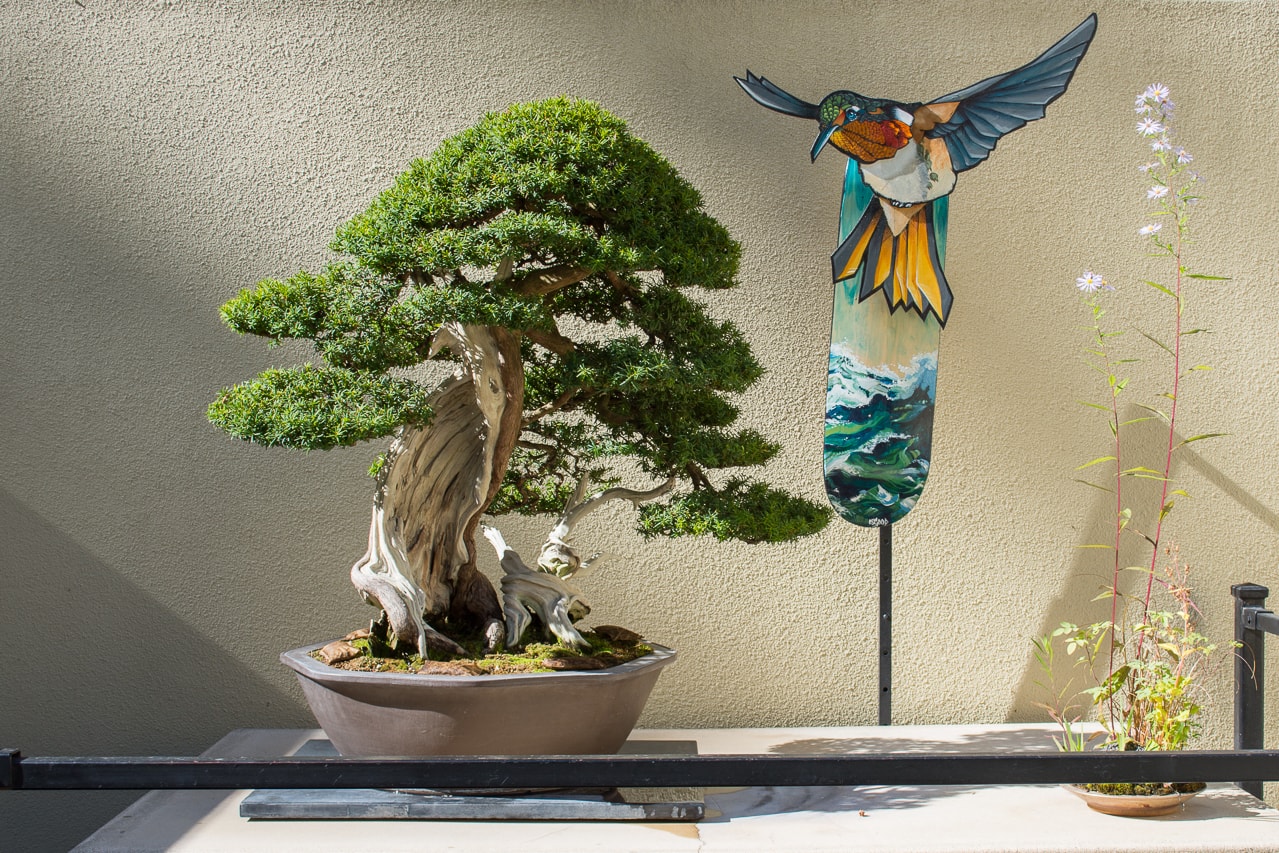
And look at the Pacific Bonsai Museum. They’ve started incorporating graffiti art on skateboards instead of traditional scrolls. It’s a bold move—one that purists will howl against—but it’s exactly what the art form needs. Mavericks don’t care about the purists’ tears. They’re too busy redefining the craft.

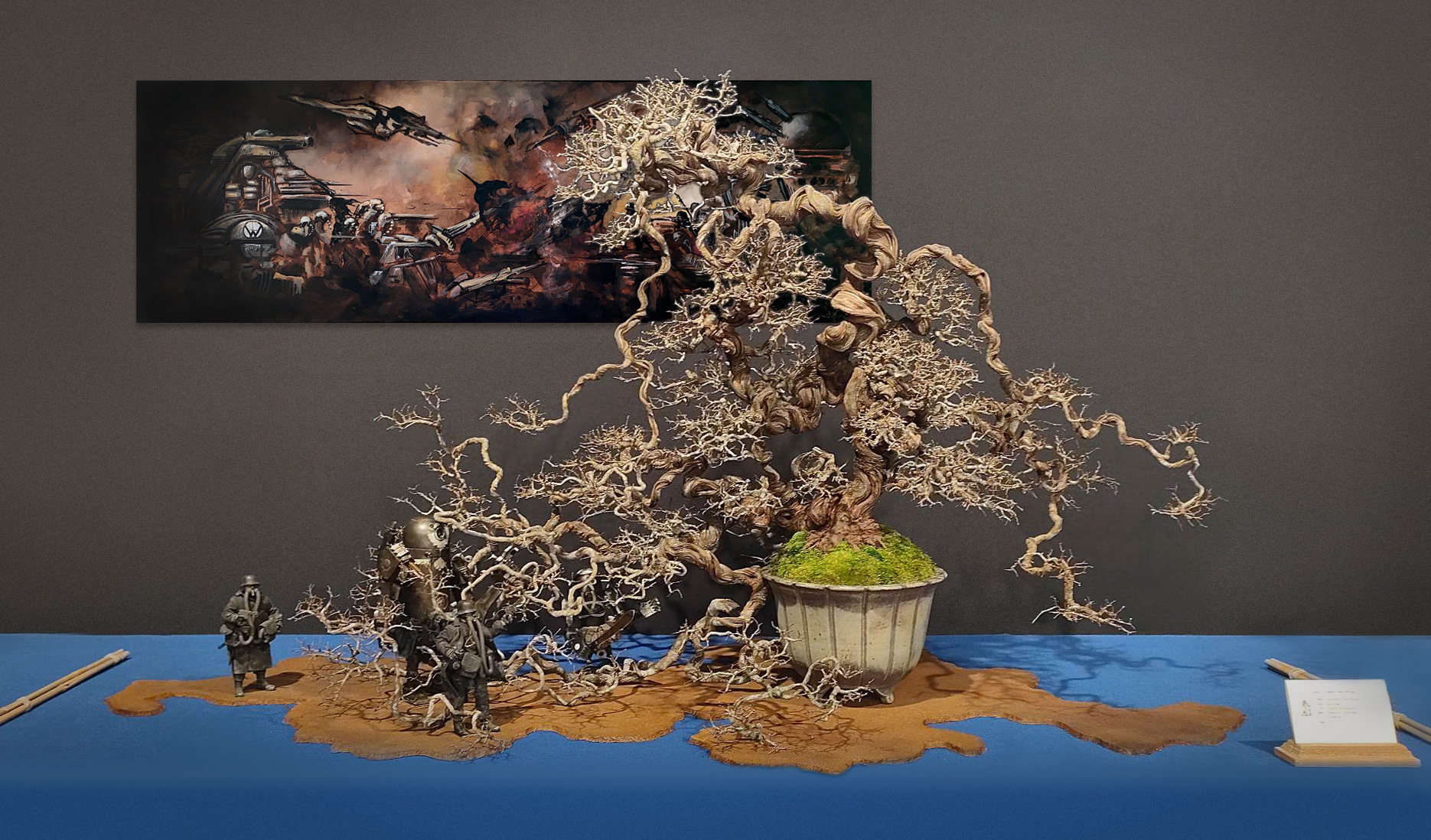
Individuals like Frenchman Laurent Darrieux and his creative ‘Cosmic Bonsaiare shaking up the bonsai world, fuelling a new era of bold, vibrant creations. To dismiss what  mavericks are doing now is to repeat the mistake made by those who dismissed creative icons like David Bowie, Van Gogh, and Banksy. Bonsai, like any other creative pursuit, suffers when it clings too tightly to tradition. The rule-followers may sleep soundly at night, but it’s the mavericks—the ones swimming against the current—who become the true beacons of success and ingenuity.

In life—and in bonsai—it’s the bold, the risk-takers, the mavericks who change the game. The rest? They’re just spectators, waiting for someone else to show them the way.

Saving our ancient trees

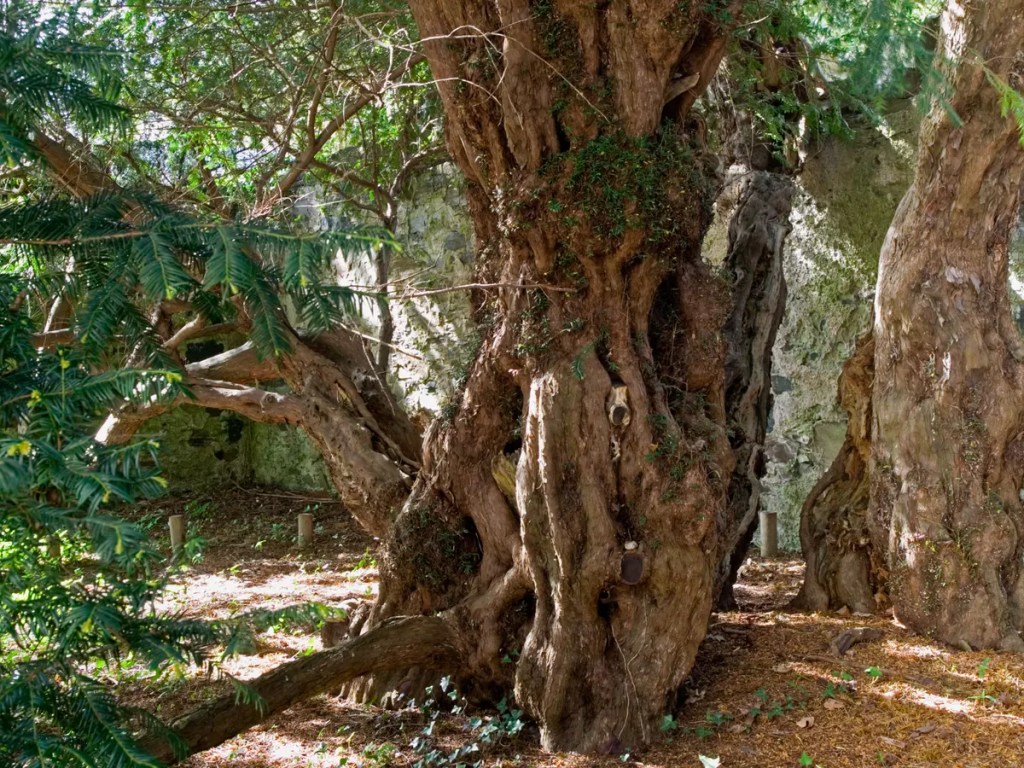
Approximately 2,000 to 3,000 years ago, and potentially even earlier, a solitary seed from a yew berry took root in what would eventually evolve into the village of Fortingall in Perthshire. This remarkable tree, contorted into enchanting shapes, still stands today, likely ranking as the oldest living entity in Britain, I have visited this amazing tree many times in the grounds of the Kirk (Church) in Glen Lyon Scotland.

Local archaeological sites suggest that this ancient yew might have been the focal point of an Iron Age cult. According to local lore, Pontius Pilate, the Roman governor overseeing Jesus’s crucifixion, was born in its shade and played beneath its branches as a child. By 1769, its girth measured an astounding 52 feet.

The age of the Fortingall Yew remains a mystery due to the absence of heartwood rings that could establish its age, replaced by separated stems. Some argue that it could be a Stone Age artifact, potentially dating back as much as nine millennia. I believe that this amazing tree is more than 5,000 years old, its amazing how it regenerates itself constantly creating new life.

Regrettably, previous generations were as negligent of our venerable trees as we are today. Villagers in Fortingall once lit fires under the mighty yew to celebrate Beltane, the Gaelic May Day festival, causing significant damage. In the 19th century, souvenir hunters further plundered its historical significance, hacking off portions for drinking cups and curiosities.

Finally, there is hope that Britain’s ancient trees will receive the legal protection they deserve. A recent study suggests that England alone may host more than two million exceptionally old trees, far surpassing the officially recorded 115,000, with many lacking any conservation methods, policies, or legal protection. Utilizing records from the Woodland Trust, researchers at the University of Nottingham created mathematical models to unveil the abundant presence of these ancient trees.

Whether a birch is considered “ancient” after 150 years or a yew not until its 800th birthday, Britain boasts a unique and widespread forest of living monuments, with over 80% of Europe’s oldest trees. This profusion is not a result of a national reverence for old trees but rather a consequence of the British passion for hunting. The need for open parkland for monarchs and aristocrats led to the growth of isolated trees, resilient to the elements.

The stories of Britain’s oldest trees intertwine with historical events. The Ankerwycke Yew witnessed King John signing Magna Carta in 1215, and the Major Oak in Sherwood Forest was alive during Robin Hood’s time. The Bowthorpe Oak in Lincolnshire, doubling as a dining room, pigeon loft, and cattle shed, accommodated 39 people within its hollow trunk.

Despite their historical significance, old trees lack proper legal defense. Many yews in British churchyards have less protection than the churches they stand beside. While the government pledges to plant millions of new trees annually, the neglect and improper counting of old trees persist.

These ancient trees are irreplaceable havens for wildlife and hold crucial biological and climatic information about the past. Yet, there is currently no legal defense for ancient or veteran woodland unless it harbours rare wildlife or is situated in a protected wildlife area. This covers only one-fifth of ancient and veteran trees.

To secure a future for these natural survivors, locating and recording Britain’s two million old trees should be the initial step in granting them the same protective legal status as other historical monuments. Our oldest trees, like Newton’s resilient apple tree and the enduring Fortingall Yew, can thrive with proper guardianship. It’s time to move beyond wishful thinking and ensure the enduring legacy of these living witnesses to history.

A Review of the “Developing Bonsai from Seed” Online Course

In the world of bonsai, the pursuit of perfection is an unending journey. With over 40 years of experience under my belt, I thought I had seen it all. However, an invitation to explore the latest online lecture series from Bonsai Empire, titled “Developing Bonsai from Seed,” has opened my eyes to techniques that really help you develop bonsai from the ground up.

At first glance, the course promises to guide enthusiasts in the art of developing bonsai from seed. But let me assure you, it’s much more than that. In fact, this comprehensive course includes invaluable lessons on air layering and developing bonsai from cuttings, making it a treasure trove of knowledge for anyone passionate about bonsai cultivation.

What sets this course apart from the plethora of free information available on the internet is the expertise of its instructors. Michael Hagedorn and Bjorn Bjorholm are two of the best Japanese-trained artists in the field today. Their combined knowledge and experience are second to none, and they bring a level of depth and precision to the art of bonsai that is truly remarkable.

With 23 lectures that span a total of 6 hours of film, “Developing Bonsai from Seed” is a comprehensive program that leaves no stone unturned. As I find myself only halfway through the course, I’m already hooked. Despite my decades of experience, I’m amazed at how much I’m learning about developing young material. I can’t help but think how invaluable this course would have been to me all those years ago when I was just starting out working with bonsai.

One of the standout features of this course is that students get lifetime access to all course materials. This means that you can revisit the lectures and materials whenever you need to refresh your knowledge or explore advanced techniques. Additionally, students have the privilege of asking questions directly to the teachers, receiving personalized guidance on their bonsai journey.

Considering the wealth of knowledge and expertise packed into this course, the price of $59.99 is an absolute steal. It’s a small investment for a lifetime of learning and mastering the art of bonsai cultivation. Whether you’re a seasoned enthusiast like myself or a beginner just starting out, the “Developing Bonsai from Seed” course is worth every cent.

In the ever-evolving world of bonsai, knowledge is the key to success. “Developing Bonsai from Seed” by Bonsai Empire, led by the incomparable Michael Hagedorn and Bjorn Bjorholm, is a game-changer. It offers a profound understanding of bonsai development from the ground up, ensuring that students are equipped with the skills and knowledge needed to create bonsai masterpieces.

I wholeheartedly recommend this course to anyone with a passion for bonsai. Whether you’re looking to enhance your existing skills or embark on a new bonsai journey, this course is a must-have resource that will undoubtedly elevate your craft to new heights. Don’t miss out on this opportunity to learn from the best in the field. Enrol today and watch your bonsai skills flourish like never before.

You can check it out here: “Developing Bonsai from Seed,”

By Tony Tickle Posted in Courses