
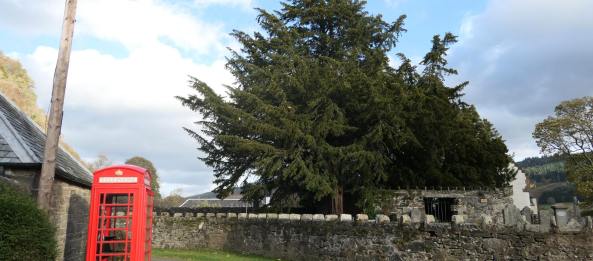
The Fortingall Yew, a heritage tree of international importance situated in the Highland Perthshire village of Fortingall, eight miles west of Aberfeldy in Scotland.
On a VERY windy day in October, I visited TheFortingall Yew in Glen Lyon the tree is at the geographical heart of Scotland and stands within Fortingall churchyard. It is thought to be between 3,000 and 5,000 years old and has connections to early Christianity in Scotland. It is also believed to be one of the oldest living things in Europe. In 1769 the circumference of the yew’s multiple trunks was measured at 52 ft, but this has vastly reduced over time and what remains are the relics and offshoots of the original tree.




The tree is supposedly Pontius Pilate’s Birthplace, this from an early publication (Lloyd’sWeekly Newspaper)
“One of the strongest links with the past which can be found in this country is supplied by the obscure village of Fortingall, in Perthshire, which tradition points out as the birthplace of Pontious Pilate. Fortingall lies in a beautiful and sequestered mountain vale some ten miles west of Aberfeldy, in a district rich in memories of Finga), Wallace and Bruce. Near the village are the remains of a Roman camp, where, at the beginning of the Christian era, the soldiers of the Empire were posted to guard the passage from the Highlands through Glen Lyon. This encampment is probably not earlier than the time of Agricola, and before it was made the Scottish king Metellanus held his court at Fortingall, and received an embassy from Augustas. One of the ambassadors, we are told, was the father of Pontius Pilate, and here the future Governor of Judea is said to have been born shortly before the Nativity if our Saviour. The embassy* to Metellanus is sufficiently well authenticated in the following passage from Hollioshed.”
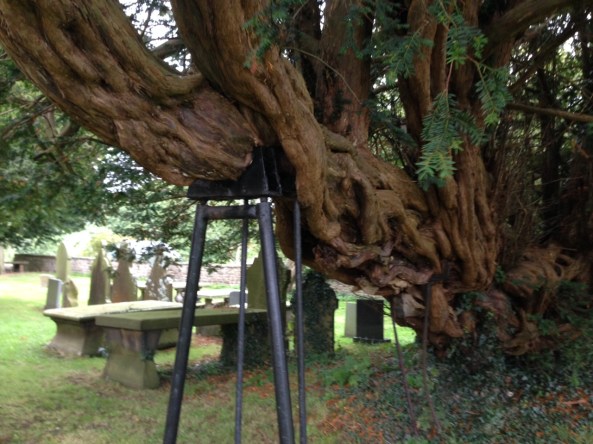
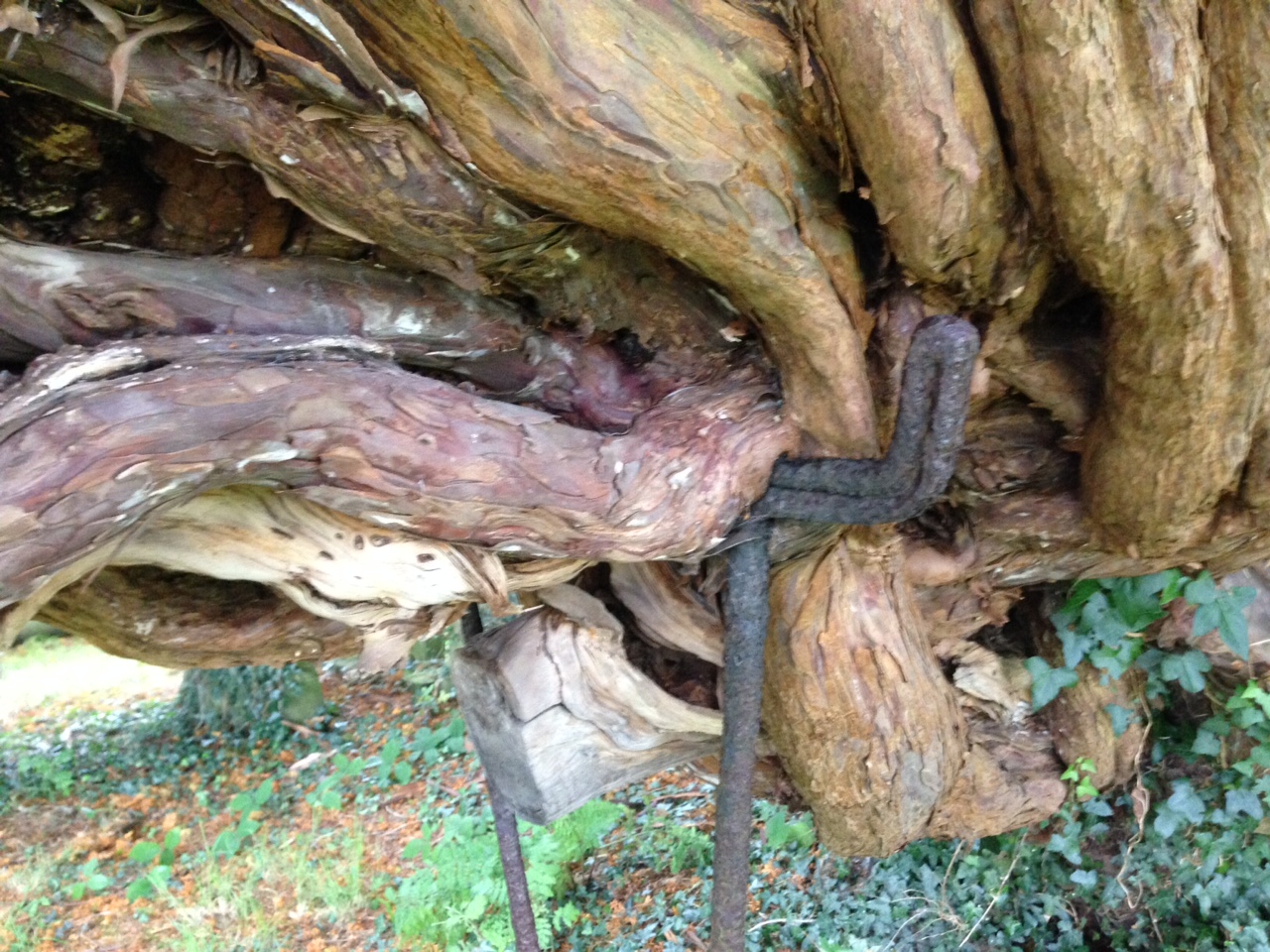
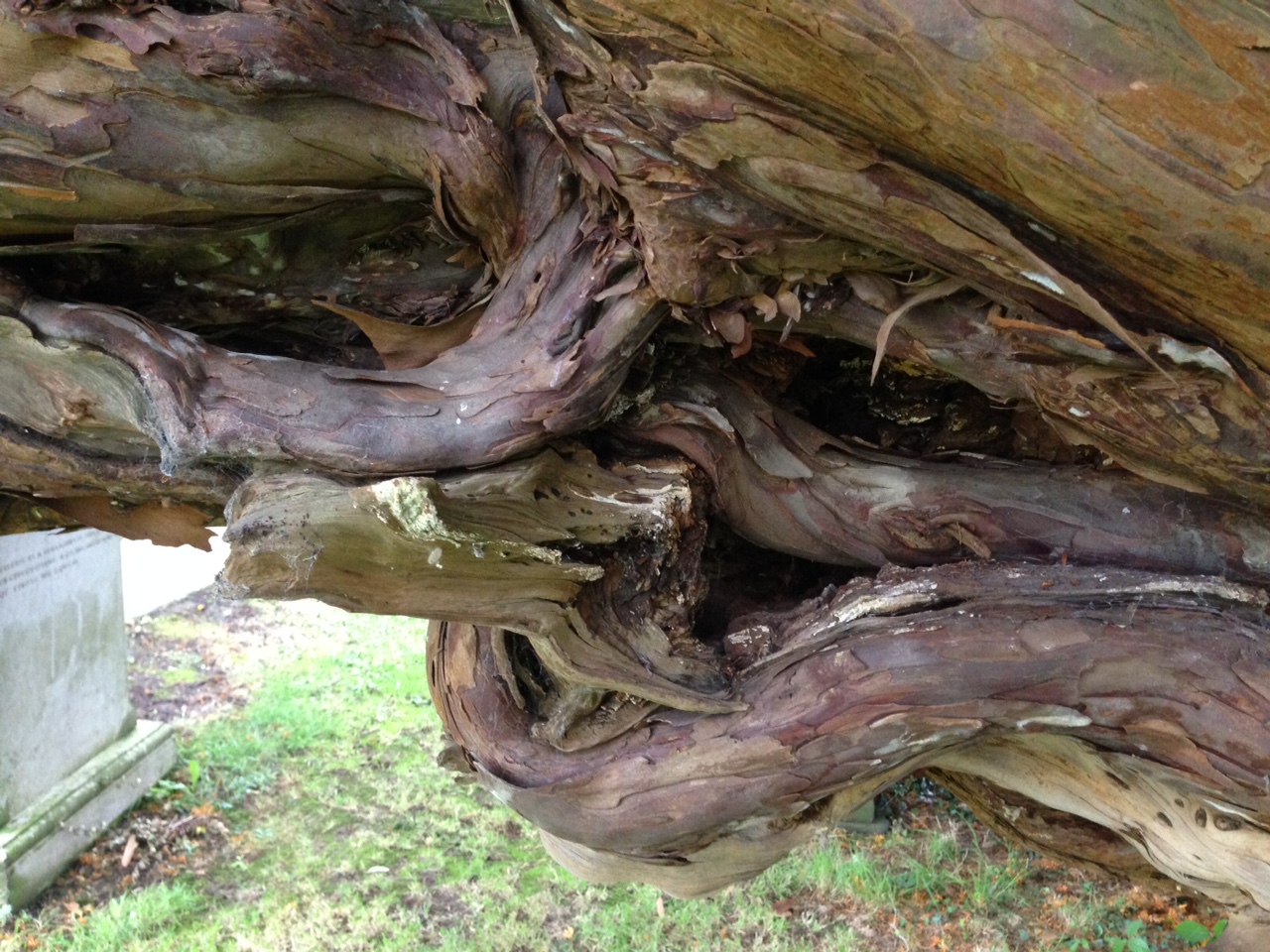
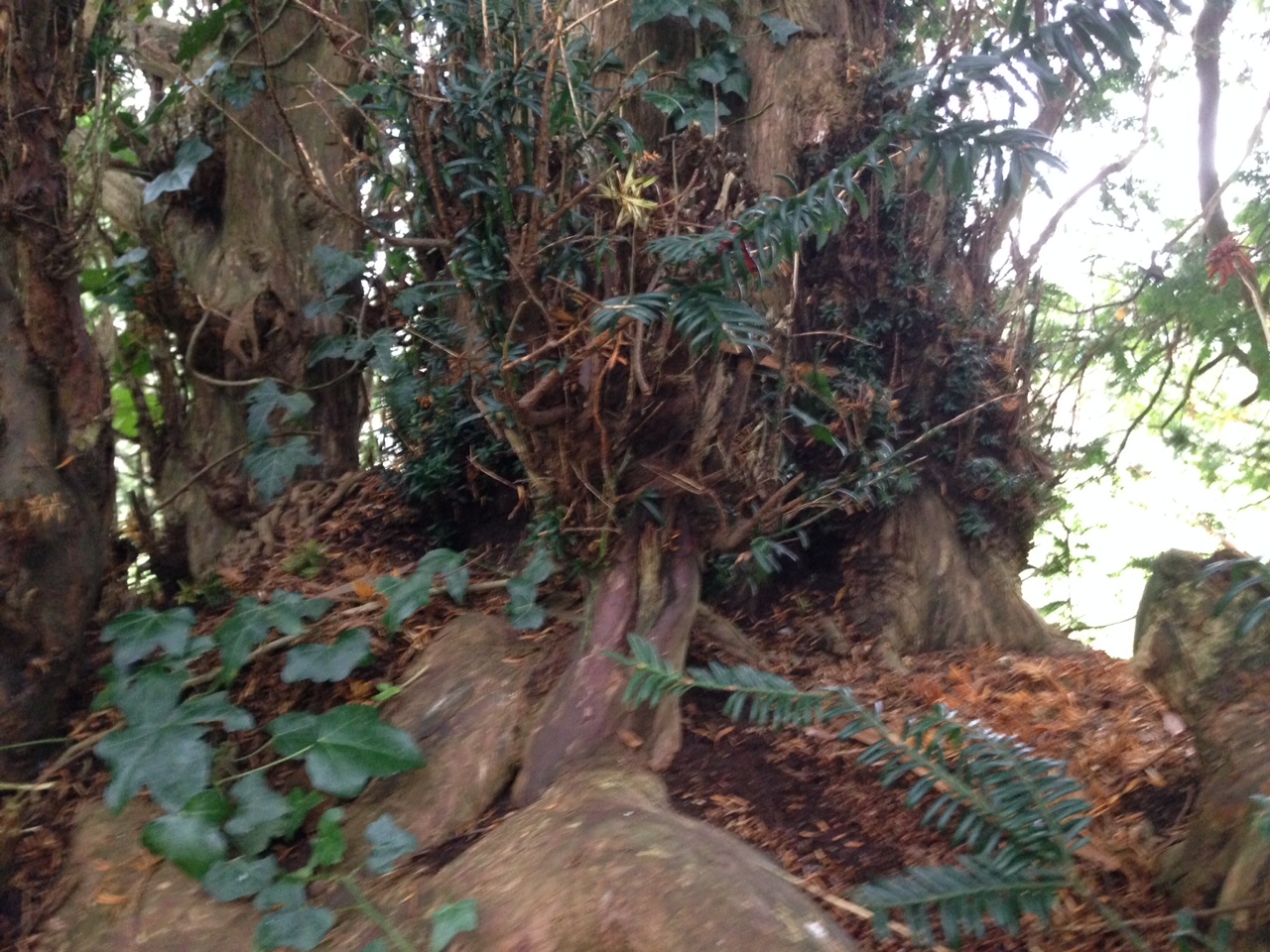
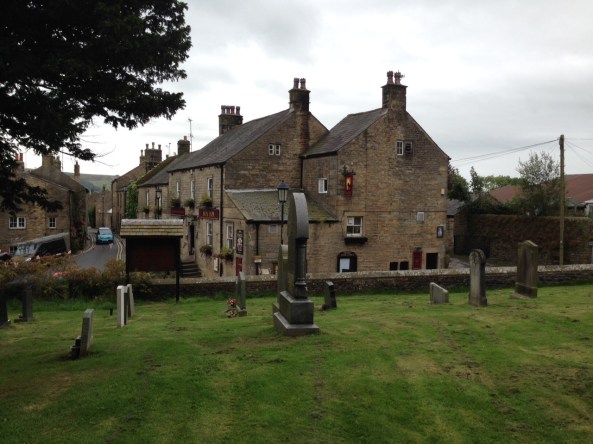
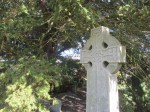
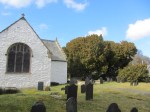
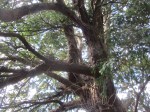
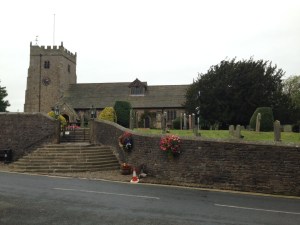 Today Carolyn and I visited an ancient Yew in the grounds of St Bartholomew’s Church, Chipping in The County Palatine Of Lancaster. The church was established at some time before 1230 and rebuilt in 1506. As well as the fine specimen which grows at the SE corner of the church, there are a further 6 yews in the churchyard. The largest of these girths 2m 30cm at 20cm. This amazing tree has had a major branch supported for hundreds of years by two iron struts. The tree is in remarkable condition and commands an impressive location in the centre of the village.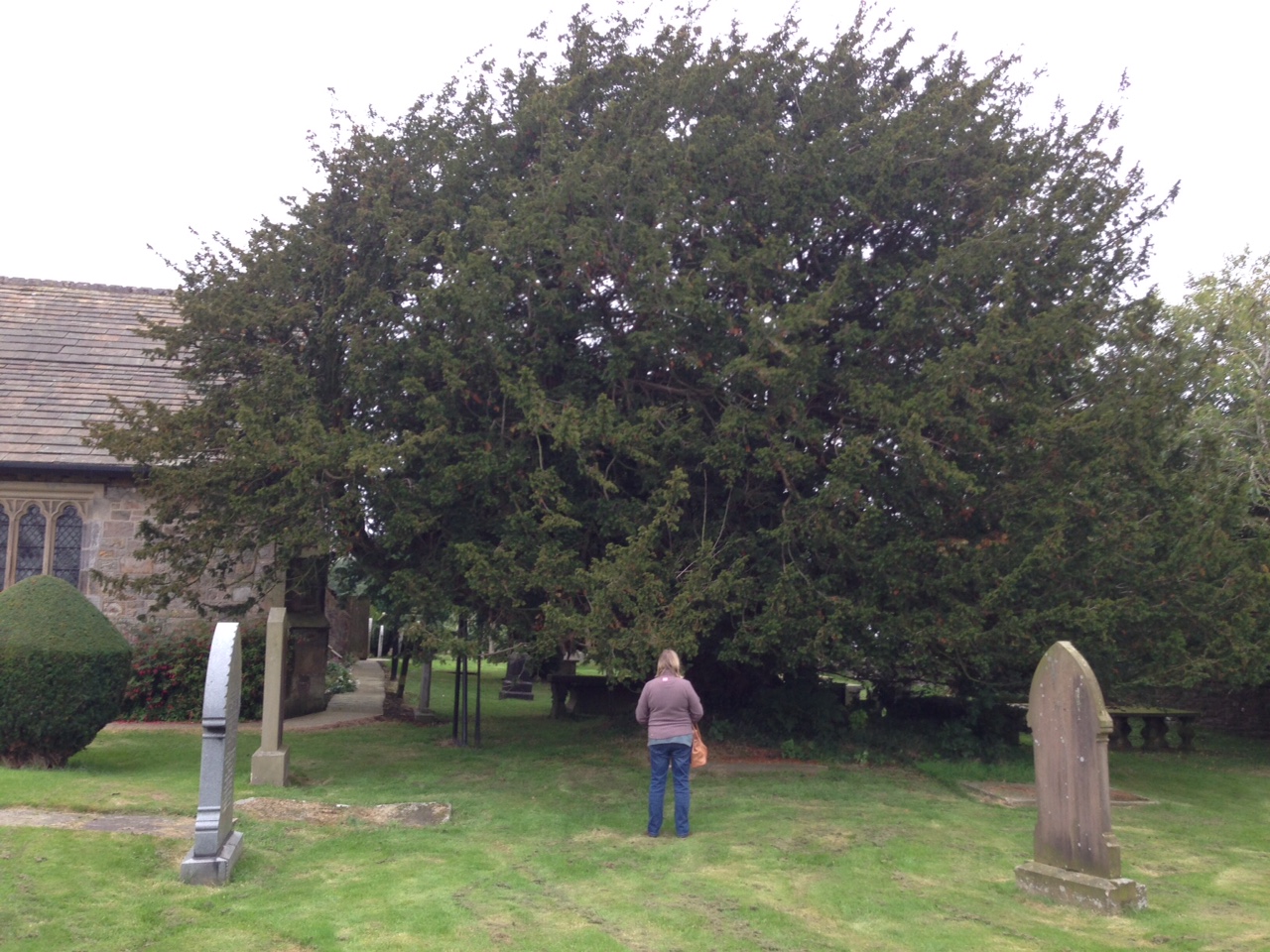










 Bonsai & Yamadori from Tony Tickle