Is Yamadori too expensive?

A couple of years ago I was hanging on a rope over an 80 meter drop digging out this Year after a drive of 5 hours, a four mile walk into the hills and a very hard climb. The rain was lashing down and the dig was hard. Whilst hanging on the rope over a scary precipice, soaked to the skin and freezing cold I reflected on some recent posts on Internet bonsai forums. “Is yamadori too expensive?”.

I can only guess that those that pose this question have no idea on exactly what it takes to collect great material and make it available for others to create great bonsai. Would bonsaigirl* from Devon; make the effort to find the site, get permission, buy the gear, take a day off work, get a mate to help, get up at 5.00am drive five hours, walk in, rope up, climb down, dig for two hours suspended on a rope, carry back, pot up, establish for at least two years and have the expertise and recovery facilities to look after the tree over this period then sell for less than the cost of the fuel I somehow think not. Is yamadori too expensive? you decide.
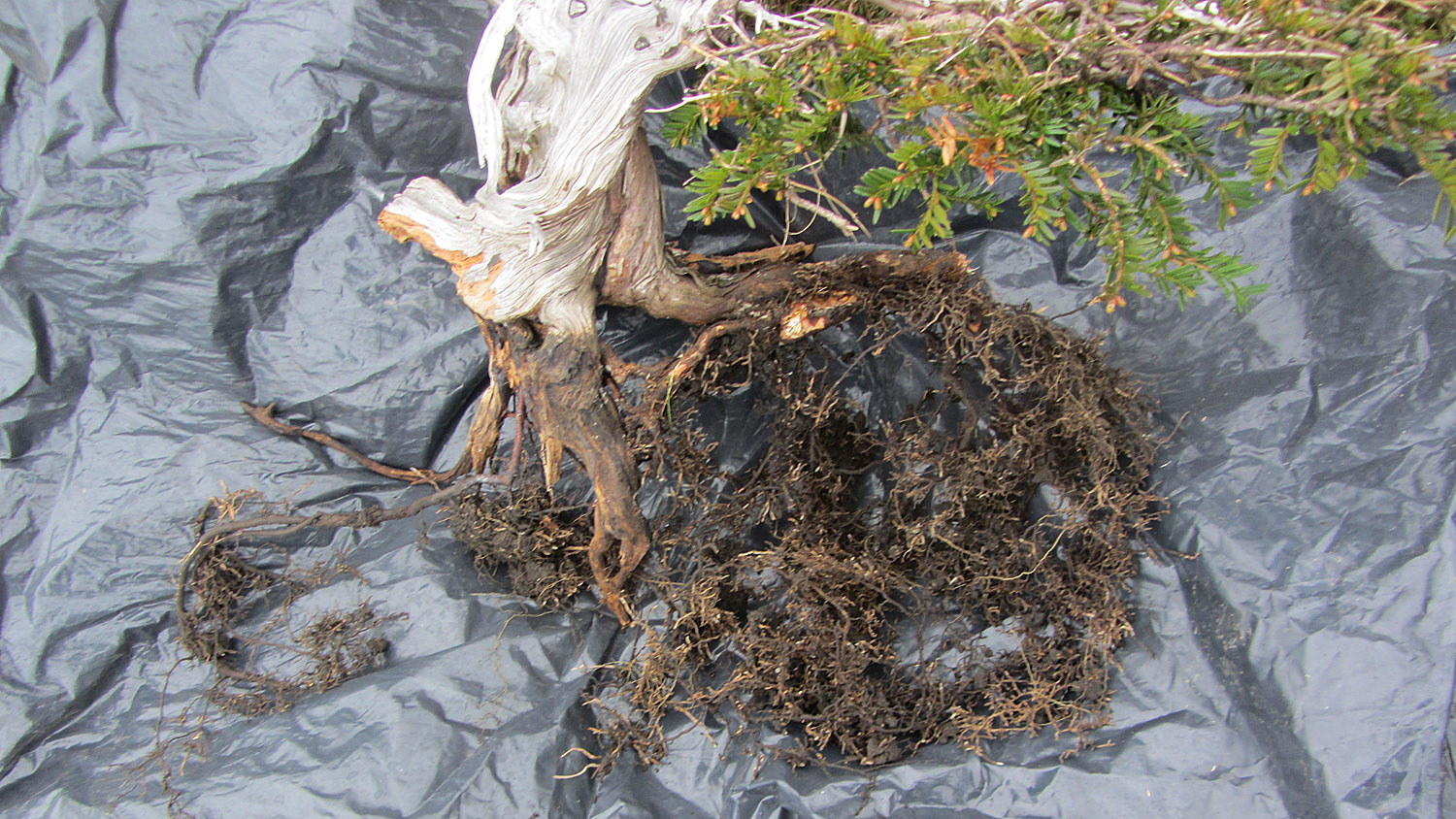
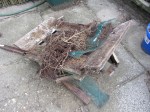
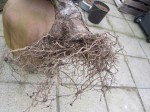
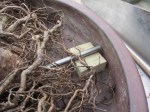
Here are the roots after removing the rock and cleaning the duff away

Here are the roots after removing the rock and cleaning the duff away

*this is a made up person NOT a real poster
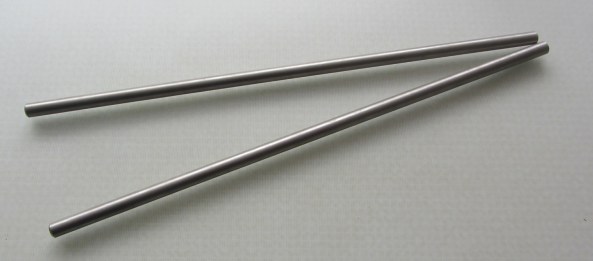
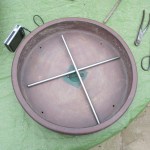
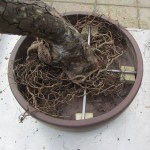
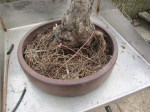
Stainless steel rods secure large Scots pine in the Duffett Pot

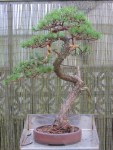
David Barlows Pine

After 10 years of establishing from the wild and two stylings David’s Scots Pine is now ready for a final potting. I found a beautiful ‘vintage’ deep red unglazed Gordon Duffett pot perfect for the tree.

Terry Foster did both stylings for the tree, the first to position the key branches, and six years later at the Burrs event in November 2012 for the second to refine.

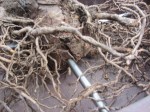
When the tree was collected it had NO large roots. Only a few fine feeder roots, David masterfully established the tree in a very open mixture of Acadama, Alpine grit and Perlite. The tree was secured to the box with guy wires to ensure that it would not ‘rock’ and remain firm, any movement inhibit the root growth. The problem with having no LARGE roots meant that the tree could not be tied into the pot, having guy wires was out of the question so a solution was needed.

05 Stainless steel rods and PotDavid is a precision engineer with his own extensive workshop so when I requested two stainless steel rods cut to length and the ends tapered, he delivered these in less than 10 minutes. Two holes were drilled into the base of the tree under the new roots that had grown; the rods were inserted tightly into the holes in the form a ‘cross’. They were then stabilised with hardwood blocks and a layer of soil mix was added, the tree wired down onto the blocks and the whole process ensured that the tree was solid in the pot. The reason for using the wooden block was so that we could angle the position the tree exactly, each block was cut to size. More soil was added and worked into all the cavities with a chop stick.

These stainless steel rods will stay in the tree forever and become part of the root mass, they will never rust or snap. The heavy wire used to secure the tree was necessary for this final potting. After a few years when the root mass has started to solidify and the tree exhibited these wire can be cut and removed.

Using Polystyrene chips when repotting

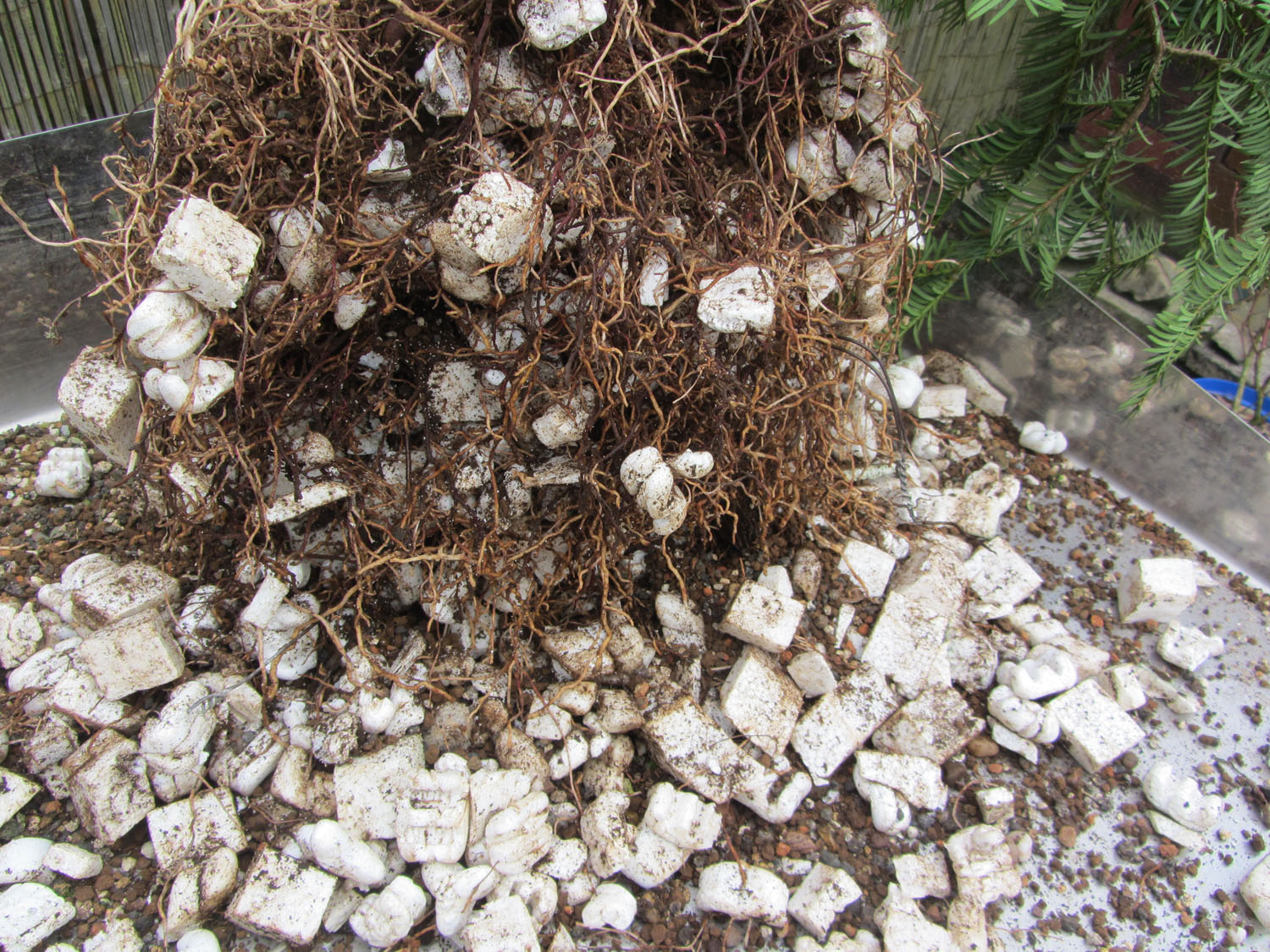
In the second potting of collected material I sometimes use Polystyrene chips in the bottom of the growing on pot. It has three key benefits… In winter the pot stays warmer longer, the roots have free run to grow rapidly and re-potting is a lot easier..and cleaner.

This Taxus has been three years in a feed bucket, it was root trimmed and put back in the same Bucket with new soil and Polystyrene chips in the bottom… as much more growth on the top is required.

I use this technique on Taxus, Prunus and Crateagus. I would NOT recommend Pine and Spruce.


Polystyrene in pots 2
Polystyrene in pots

Polystyrene in pots 3

Disguising large cuts on a Prunus Spinosa Video

Whilst on my European Tour this year I stayed for a few days with Enrico Savini and the
Progetto Futuro Bonsai School in Bologna, Italy. It was great fun working with the guys in the sunshine and doing some preparatory work on the yamadori trees that was selling at the EBA event in Ljubljana  here is a Prunus Spinosa that I worked. The trunk split into two about 20cm from the base, one trunk having wonderful movement and the other none whatsoever! After removing the offending trunk I set about creating a deadwood area as natural appearing as possible. Prunus Spinosa are becoming very popular with Bonsai artists throughout Europe as they are easy to work, display beautiful small white flowers in Spring and create good branch ramification quickly.

The tree is now in the ownership of Hungarian artist Sándor Papp who I am confident will create an amazing literati Bonsai from this tree.

Photo courtesy of Sándor Papp