
This is a followup from my previous post
The notion that bonsai is an art form and that freedom of expression is an integral element speaks to the deep relationship between creativity and discipline within this ancient practice. Bonsai is often associated with strict guidelines, traditional techniques, and a respect for nature, but beneath this structured framework lies the heart of an expressive art form.
At its core, bonsai embodies many elements of traditional art: balance, proportion, composition, and beauty. Each bonsai tree is like a living sculpture, shaped over time through pruning, wiring, and other techniques. Just as a painter has a blank canvas, the bonsai artist starts with a raw tree and gradually refines it, allowing their aesthetic vision to guide the creation.
In this context, the artist is free to express their personal interpretation of natural forms. They might choose to emphasise ruggedness, age, elegance, or movement in the tree, reflecting their own emotional or conceptual responses to nature. In this way, each bonsai is a unique artistic statement.
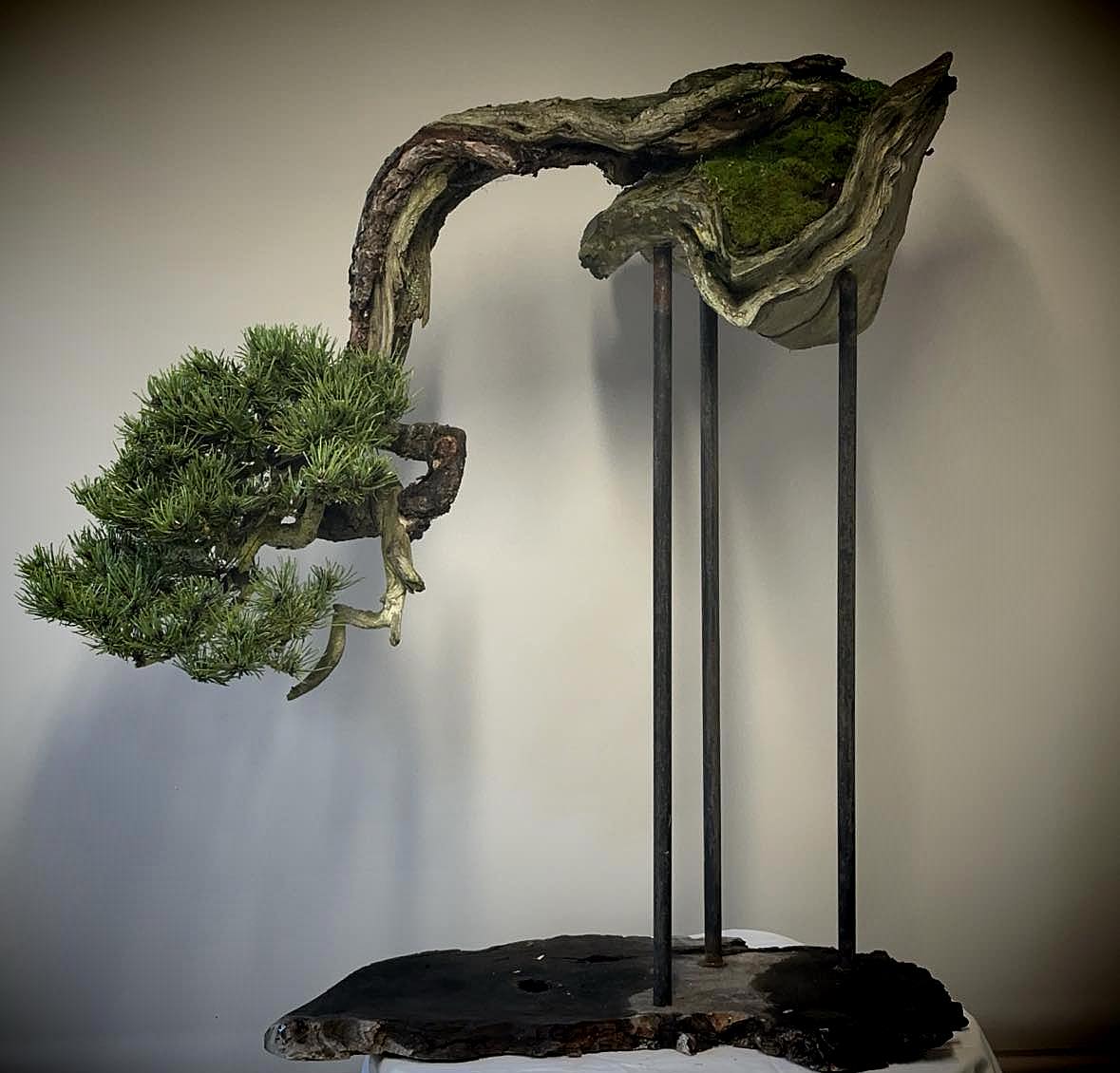
Though bonsai has its roots in Japanese and Chinese traditions, where certain styles and techniques are passed down through generations, modern bonsai artists are increasingly blending tradition with innovation. Freedom of expression allows artists to break from convention and introduce new styles or interpretations that deviate from classical forms. These creative departures can incorporate personal, cultural, or even philosophical elements, making each tree a more profound reflection of its creator.
For instance, while traditional bonsai focuses on mimicking natural landscapes, modern bonsai artists may introduce abstract shapes or unconventional techniques, pushing the boundaries of what bonsai can represent. This interplay between tradition and innovation keeps the art form alive, evolving, and dynamic.
Unlike static mediums like painting or sculpture, bonsai is a living art. The tree grows, changes, and responds to the seasons, making the artist’s relationship with it continuous. This living aspect provides even more space for freedom of expression, as artists can adapt their creations over time, responding to the tree’s natural growth and development. The artist doesn’t control nature; rather, they collaborate with it. This unique dynamic between artist and medium allows for a range of interpretations, offering freedom to either follow nature’s lead or impose a strong artistic vision.
An essential part of the bonsai aesthetic is the acceptance and incorporation of imperfection. Bonsai artists often embrace the concept of wabi-sabi—a Japanese philosophy that finds beauty in impermanence and imperfection. Freedom of expression is found in allowing these imperfections to shape the design of the bonsai. For example, deadwood, weathered bark, and asymmetric forms can all become focal points of a bonsai, highlighting the resilience and natural beauty of the tree over time.
This artistic freedom allows bonsai practitioners to express deeply personal themes: the passage of time, the fragility of life, or the rugged persistence of nature.
Beyond aesthetics, bonsai is also a means of expressing deeper philosophical ideas or emotions. The act of cultivating a bonsai tree can reflect patience, resilience, and humility, all qualities that the artist may seek to express in the final form of the tree. The careful shaping of a bonsai can symbolize the artist’s connection to nature or convey a story about growth, change, or survival.
Each bonsai tree can evoke different feelings: serenity, wildness, elegance, or tension. The freedom to shape and guide the tree’s development allows the artist to imbue their creation with personal meaning, making bonsai not just a visual art form, but an emotional and philosophical one as well.
Conclusion
While bonsai is often bound by tradition and technique, it is undeniably an art form, offering vast freedom for personal expression. Artists can balance adherence to classical forms with innovation, infuse personal and philosophical meaning into their work, and embrace the inherent unpredictability of working with a living medium. In this way, bonsai transcends being merely horticulture and becomes a powerful avenue for creativity, self-expression, and communication through nature.

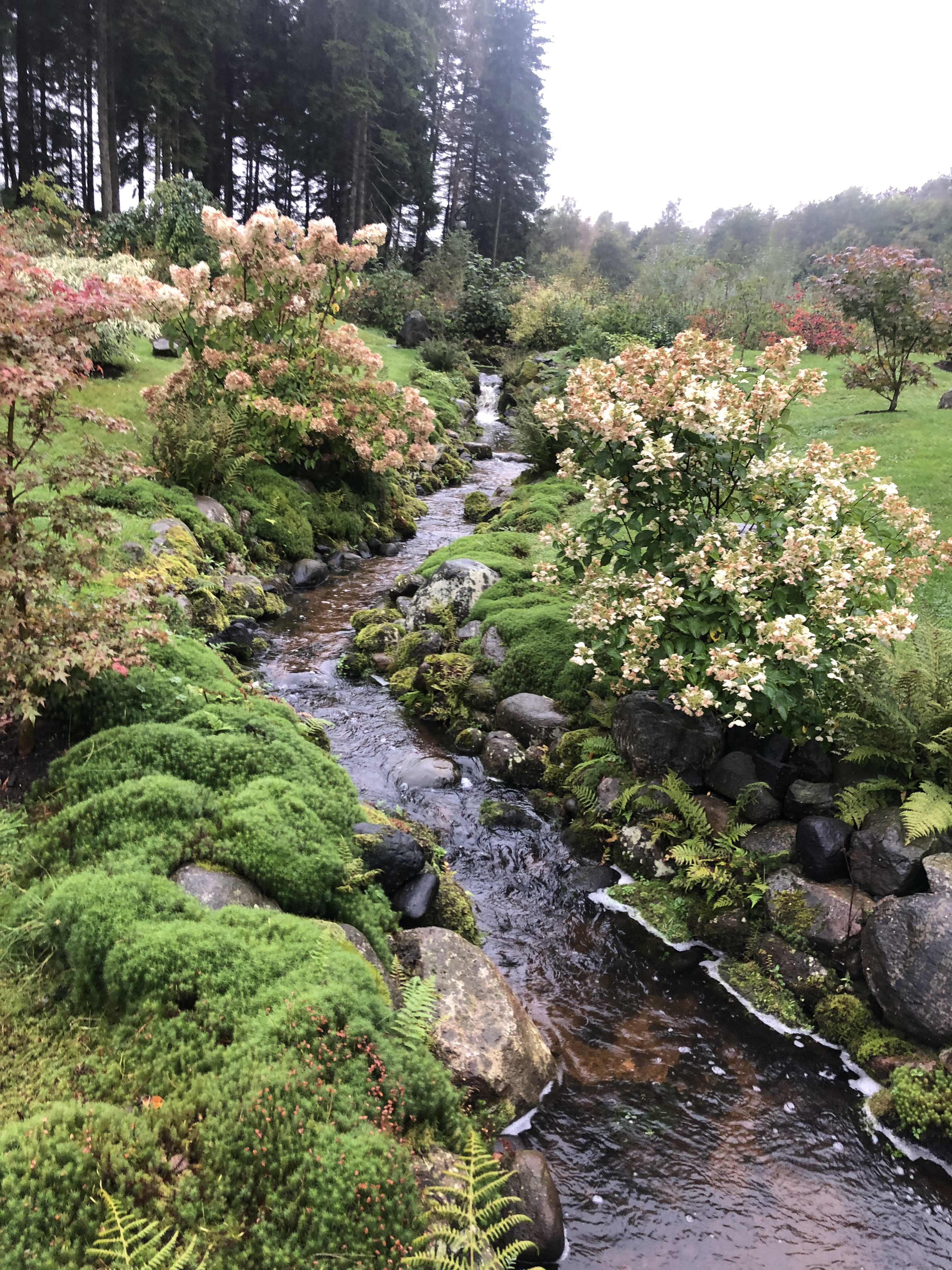


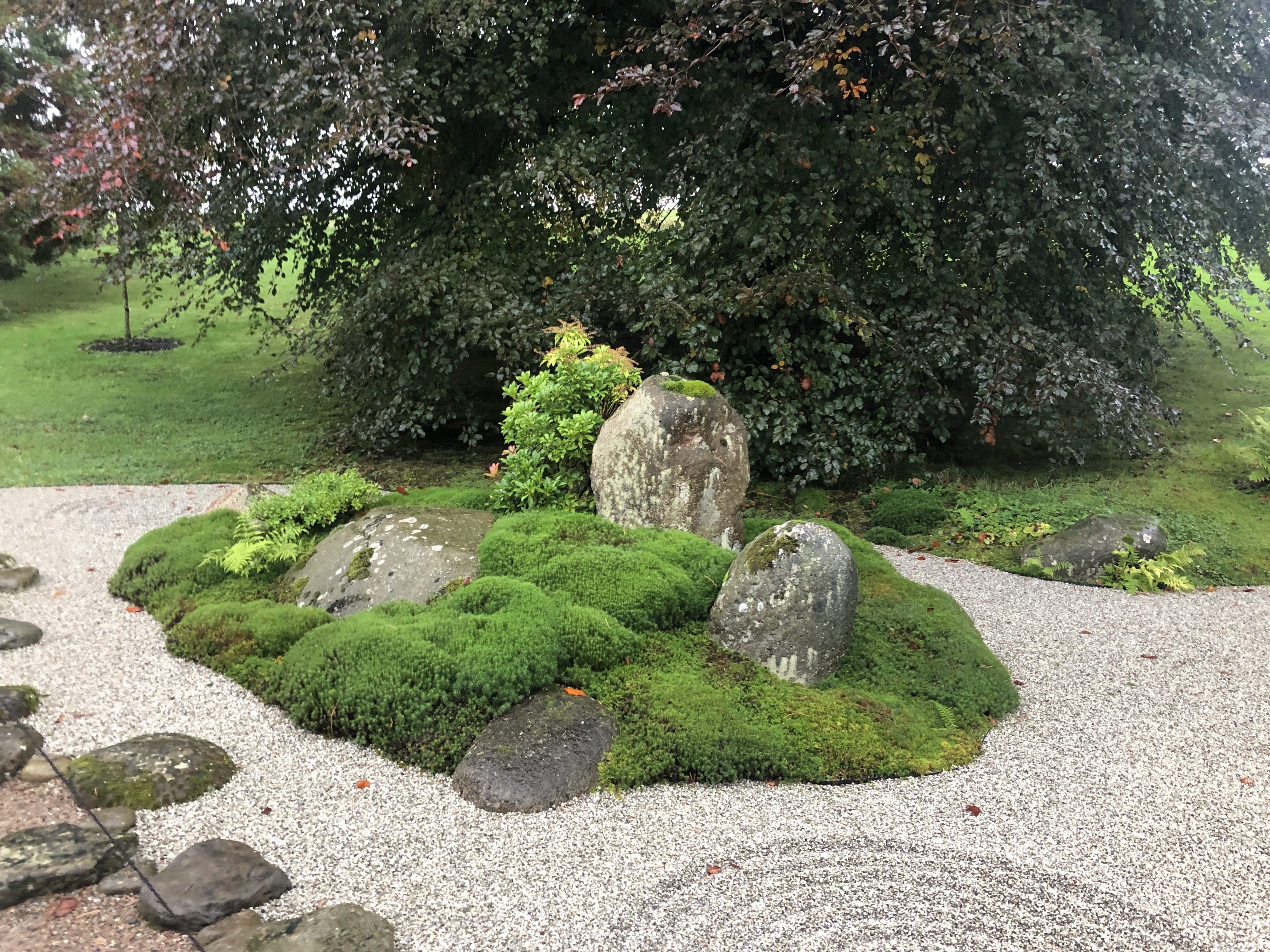
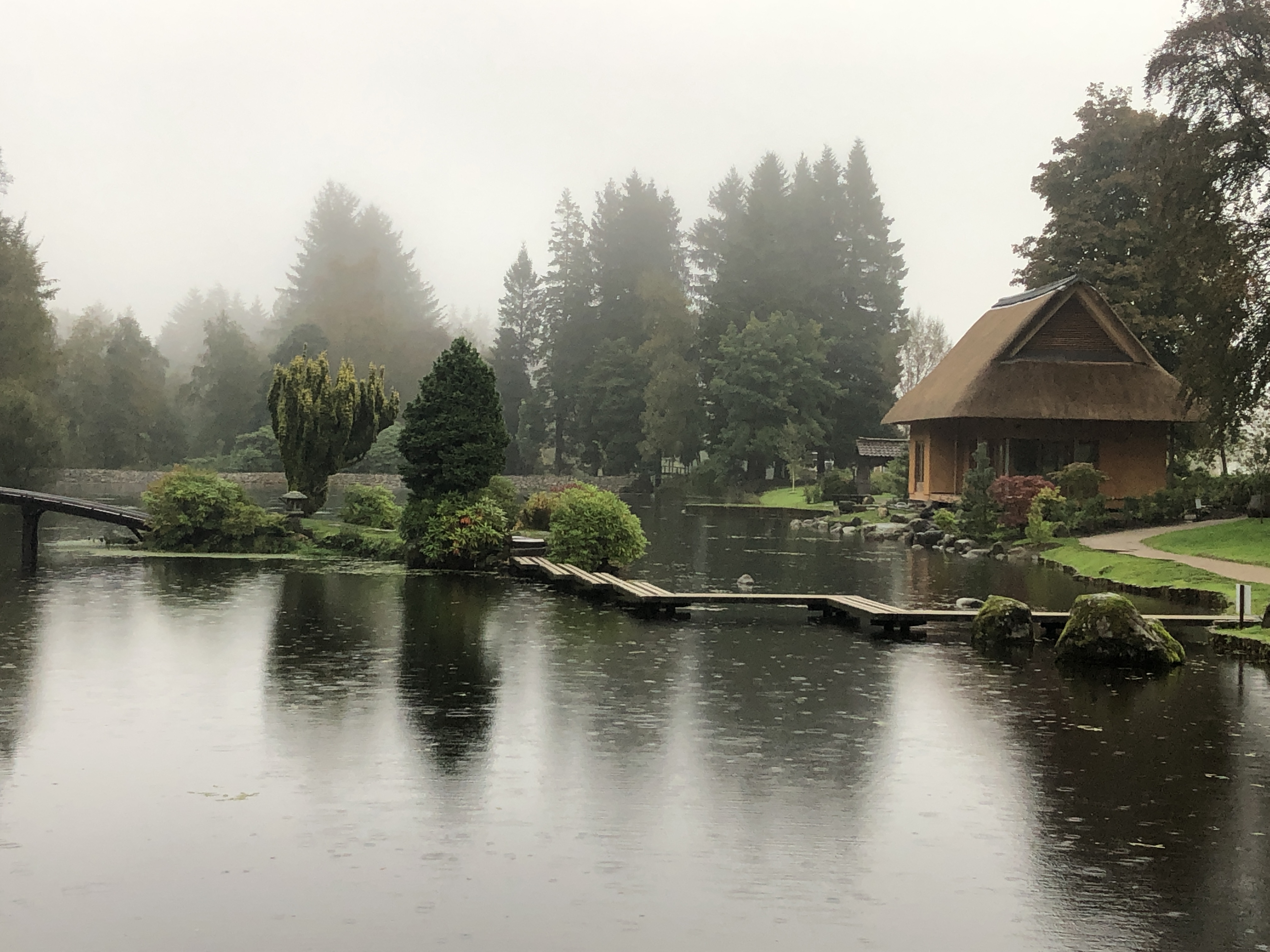
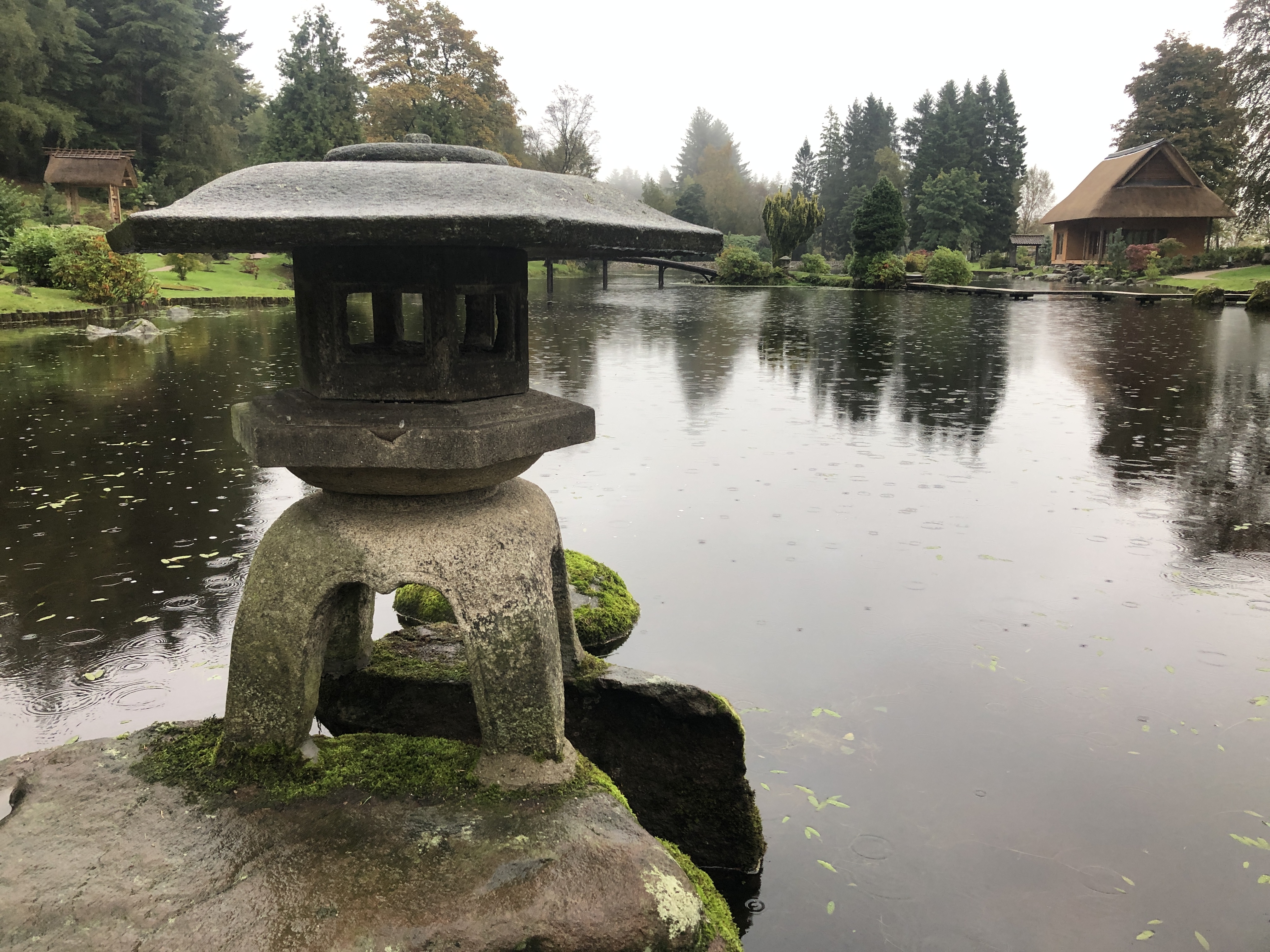







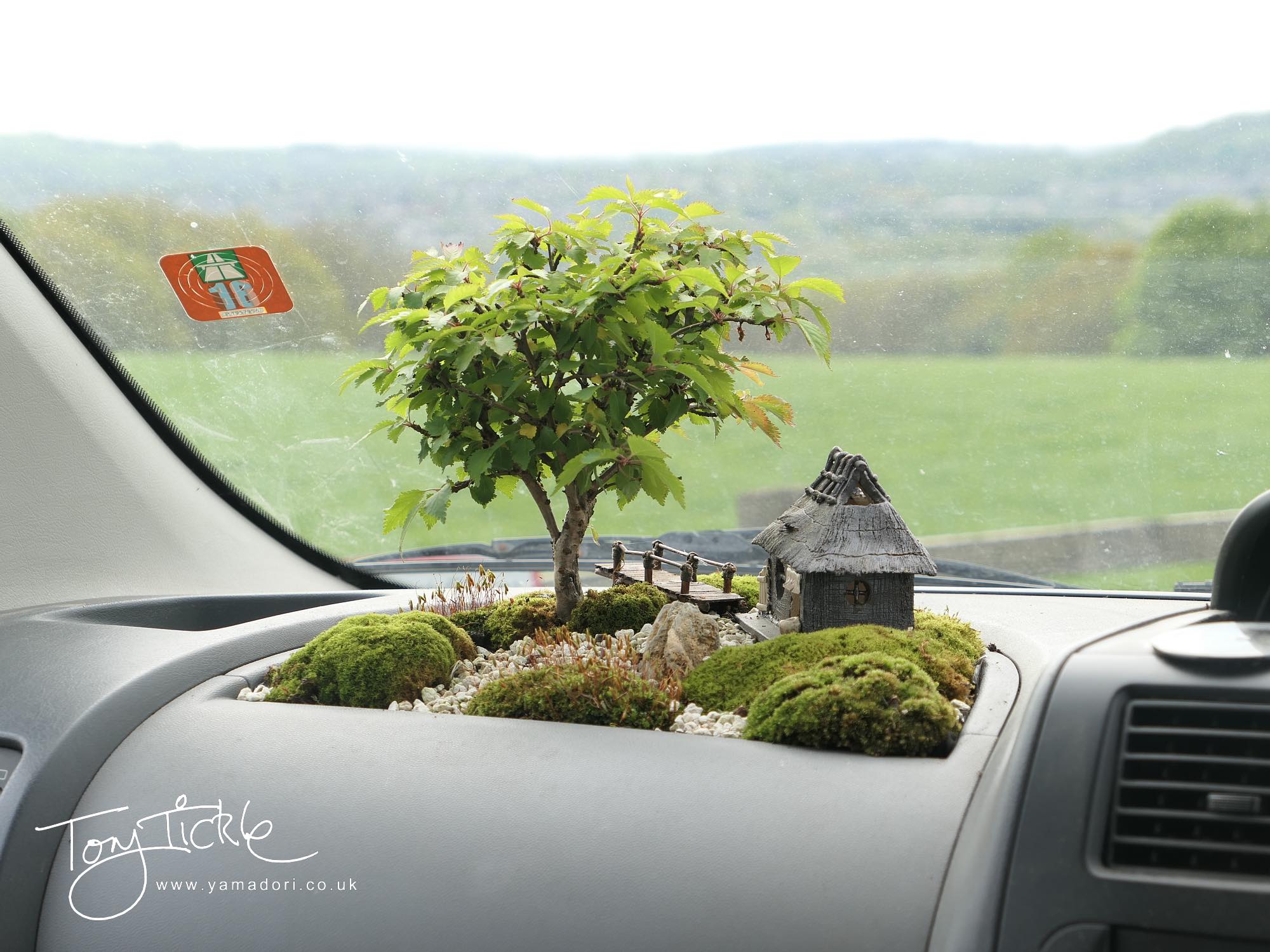
 Bonsai & Yamadori from Tony Tickle