Introduction
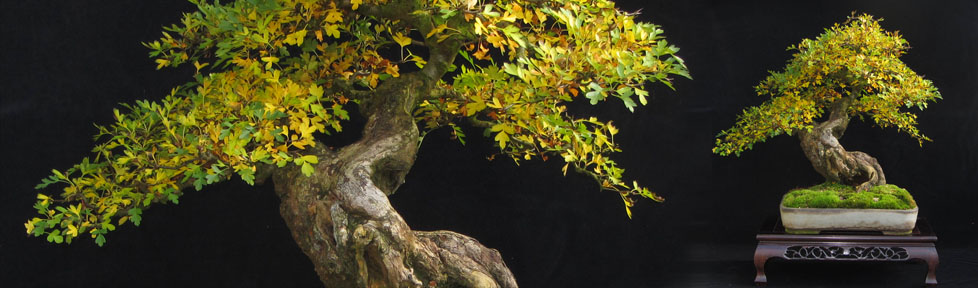
The following account details the recent transplanting of a larix, a species commonly known as larch, which was originally collected from mountainous terrain over two decades ago. This tree’s journey encapsulates the careful thought and enduring patience required in the art of bonsai cultivation.
Background
More than 20 years ago, the larix was harvested from rugged mountains, its form shaped by the harsh elements and the passage of time. Since then, it has thrived on a small rock, which has served as its host and anchor. However, bonsai is an evolving practice, and both tree and grower have continued to seek new ways to refine and showcase the specimen.
The New Rock from Scotland
Recently, a new rock—collected many years ago in Scotland—was selected to become the larix’s new host. Scottish rocks, often marked by their unique texture and weathering, can offer both aesthetic appeal and practical benefits to bonsai displays. The decision to replant the larix on this rock represents both a nod to tradition and a step forward in the ongoing creative process.
The Transplant Process
- Preparation: The transplant began with the careful preparation of both the larix and the Scottish rock. Roots were gently exposed and checked for health, while the rock was cleaned and assessed for suitability.
- Placement: The larix was positioned onto the new rock, ensuring stability and an appealing visual composition. This phase demanded patience and a keen eye for detail, as both the health of the tree and the overall design were considered.
- Timeframe: The entire process took approximately one hour, reflecting both the efficiency and the expertise of the grower.
- Aftercare: Once transplanted, the tree was placed in a frost-free location to protect it from the harsh winter elements. This step is crucial for the recovery and ongoing health of the larix, especially following such a significant intervention.
Future Plans
The larix will be closely monitored over the coming months. Later in the year, further refinement will take place, focusing on styling, pruning, and potentially wiring to enhance its form and appearance. Such ongoing care ensures the tree’s vitality and contributes to its continued evolution as a living work of art.
 Bonsai & Yamadori from Tony Tickle