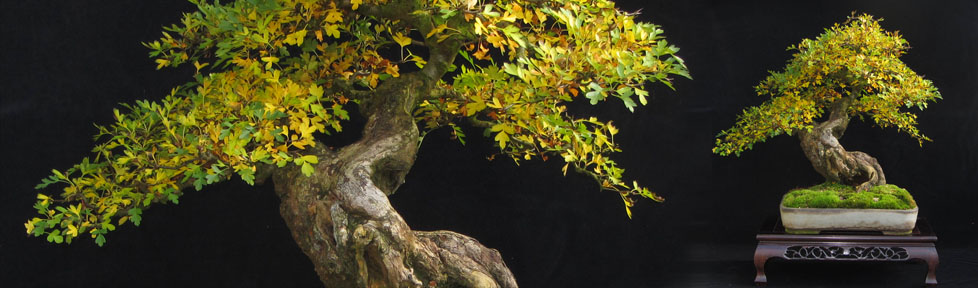
Keeping very old bark on hawthorns even when it rains all year!

One of the problems with living in a wet country is that the old bark on your bonsai soon turns to a soggy mush. One way that I have slowed and in some cases stopped the ‘rot’ has been to position the tree in a windy spot on the garden, ensuring good air movement around the tree. AND if I can also keep the tree in full sun the bark remains silver in colour.

Cutting the Big Yew to create two trees, including sandblasting

There was always going to be a time when I had to cut the BIG yew into two as the roots were contained in two separate pots. Each pot fed its own foliage, enabling ‘splitting’ the tree.

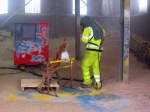
Using an Industrial size reciprocating saw and my friend Terry Foster we cut the tree in two. It took less than 20 minutes… something I waited three years to do and it was completed in such a short time.

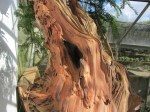
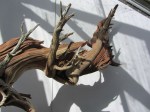
This wonderful tree has such amazing deadwood, the challenge I now faced was how to blend the man made cut with the natural deadwood? My work had to be ‘natural’ looking, not ‘carved and sculptured but in sympathy with the tree.

I did not want to ‘overwork’ the cut. I created indents, accentuated holes and smoothed out undulations deliberately leaving a ‘rough’ finish. I used chisels, wedges and split the tree along the grain of the tree. Where the wood became ‘confused’ I ripped and twisted the grain.

After three hours working without Makita’s or Dremmels I was satisfied that I was ready for the next stage. The tree would be ‘naturalised’ with sand blasting. I first sandblasted a tree 20 years ago using a blasting cabinet, that tree was only 75cm tall. This tree is over one metre, far too large to fit in a cabinet!

Close to my nursery is a commercial blasting company, and after covering the pot, foliage and live vein I ventured to them. The work was completed, a weather ‘ancient’ look had been created in less than an hour! The results are great.

Revolutionary methods for establishing newly collected Yamadori

I am working on some revolutionary methods for establishing newly collected Yamadori. I started back in November with five trees using different techniques, two failed but three have delivered spectacular results. Prunus Spinosa and Crataegus producing roots from the whole tree, these photos were taken in February. With this knowledge I set out and collected over 100 trees and these are now thriving. I am busy collecting Yews up to the end of April in the UK then over to mainland Europe for Pines and Picea. This year’s stock will be available for reserve for a deposit of 50% from Mid June onwards.

I have uploaded these photos in hi resolution so you can take a closer look if you ‘click’ on them!

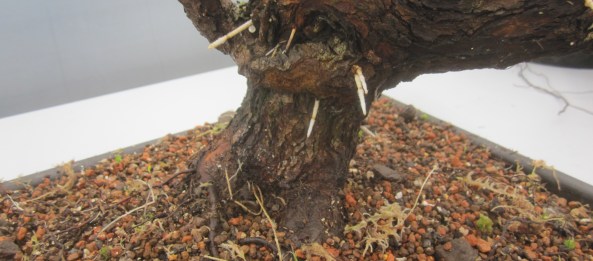
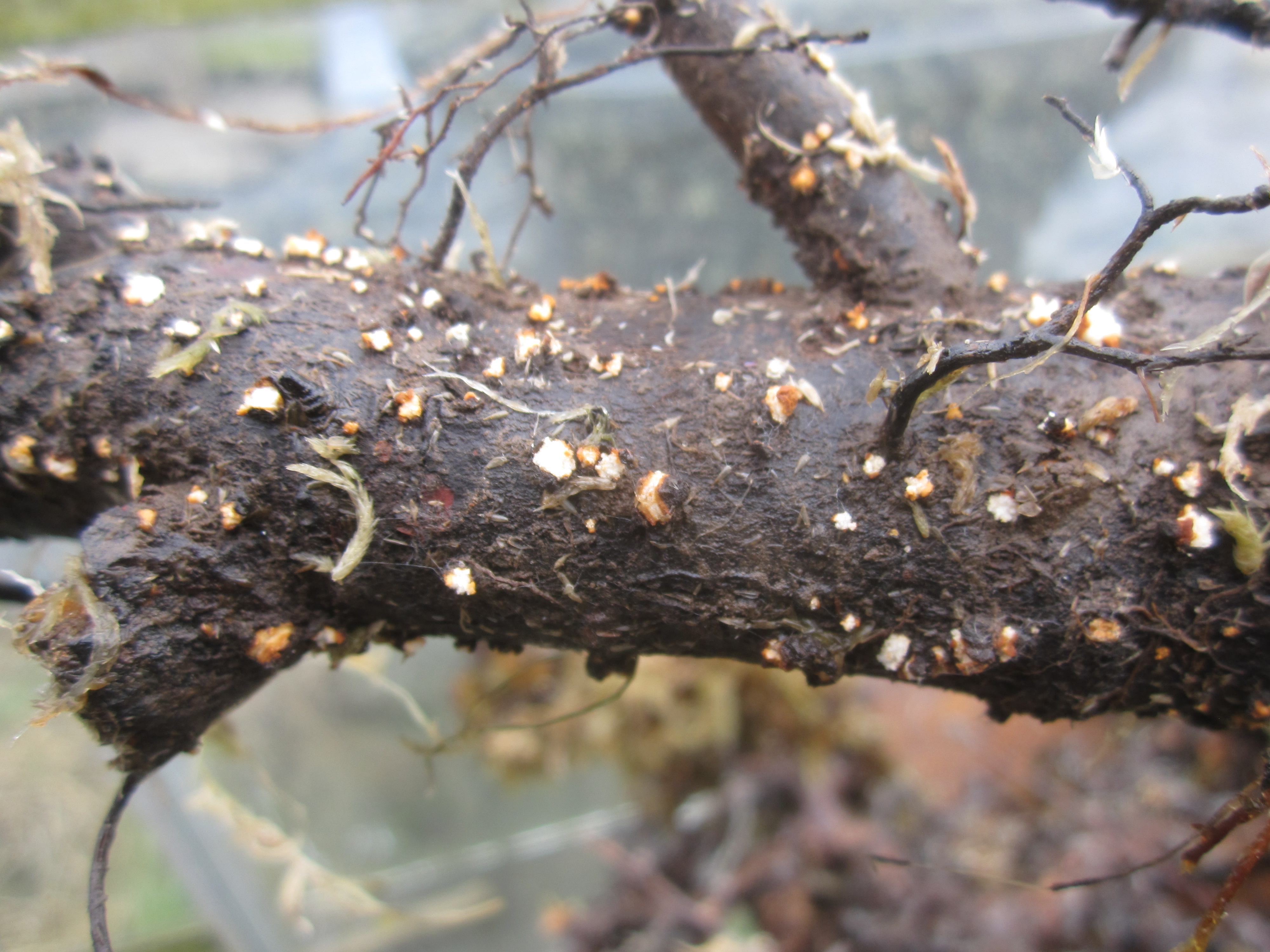
New roots direct from the trunk

The white specks are the start of new roots, two weeks after this photo was take the roots were 2cm long!

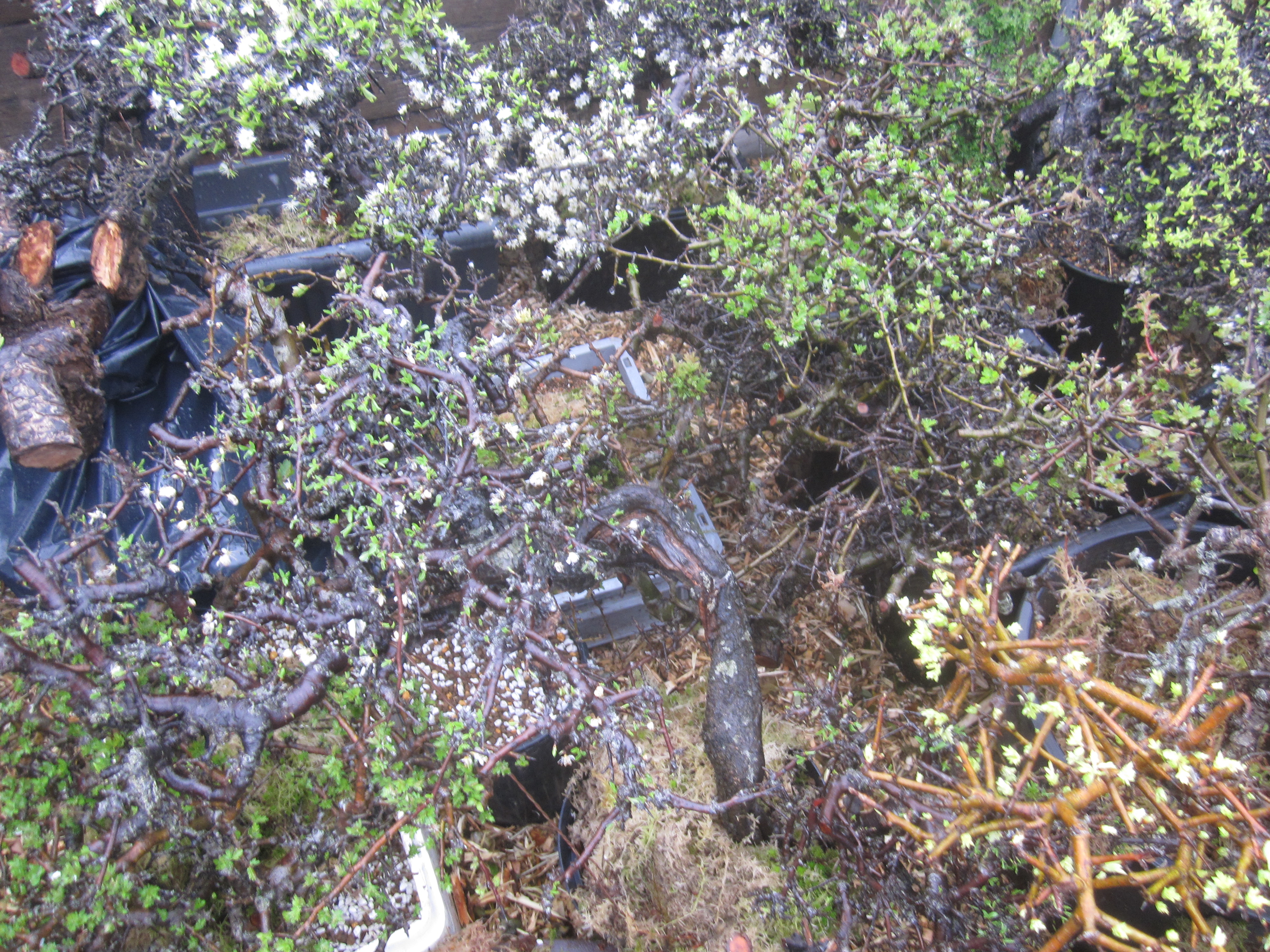
A small section of the recently collected Prunus Spinosa and Crataegus, they are triving.

New STRONG growth on Hawthorn heralds healthy growth

I love this time of year when the newly collected stock starts to thrust out fresh growth. There is always a big sense of excitement and anticipation as to whether the tree has recovered from the stress of collecting and transplanting. Here is a Hawthorn that has started to throw out new shoots from a major cut.  I always let newly collected stock thrive unchecked for two years before any work is started.

I will be posting photos of all the new stock from June onwards. Over 150 trees including Prunus Spinosa, Crataegus, Cotoneaster, Taxus and Scots Pine.