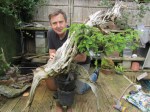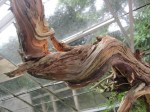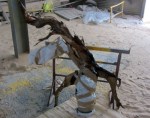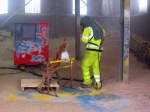
Cutting the Big Yew to create two trees, including sandblasting

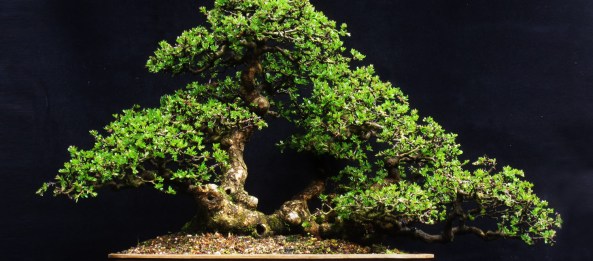
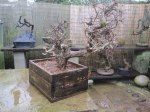
There was always going to be a time when I had to cut the BIG yew into two as the roots were contained in two separate pots. Each pot fed its own foliage, enabling ‘splitting’ the tree.

Using an Industrial size reciprocating saw and my friend Terry Foster we cut the tree in two. It took less than 20 minutes… something I waited three years to do and it was completed in such a short time.

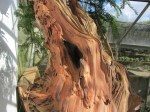
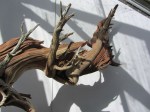
This wonderful tree has such amazing deadwood, the challenge I now faced was how to blend the man made cut with the natural deadwood? My work had to be ‘natural’ looking, not ‘carved and sculptured but in sympathy with the tree.

I did not want to ‘overwork’ the cut. I created indents, accentuated holes and smoothed out undulations deliberately leaving a ‘rough’ finish. I used chisels, wedges and split the tree along the grain of the tree. Where the wood became ‘confused’ I ripped and twisted the grain.

After three hours working without Makita’s or Dremmels I was satisfied that I was ready for the next stage. The tree would be ‘naturalised’ with sand blasting. I first sandblasted a tree 20 years ago using a blasting cabinet, that tree was only 75cm tall. This tree is over one metre, far too large to fit in a cabinet!

Close to my nursery is a commercial blasting company, and after covering the pot, foliage and live vein I ventured to them. The work was completed, a weather ‘ancient’ look had been created in less than an hour! The results are great.

European Bonsai Tour #6 Hunting the spruce with Nik Rozman at 5888 feet

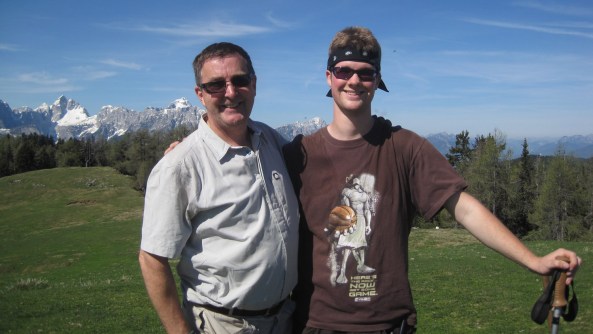
Yesterday I had the time of my life hunting for Spruce with Nik and Peter Rozman, we ascended a very high mountain after a four hour drive

The weather was so bright and sunny that Sunglasses had to be worn at all times! The climb to the top took a few hours, even if we had not collected any trees it was worth it for the view alone.

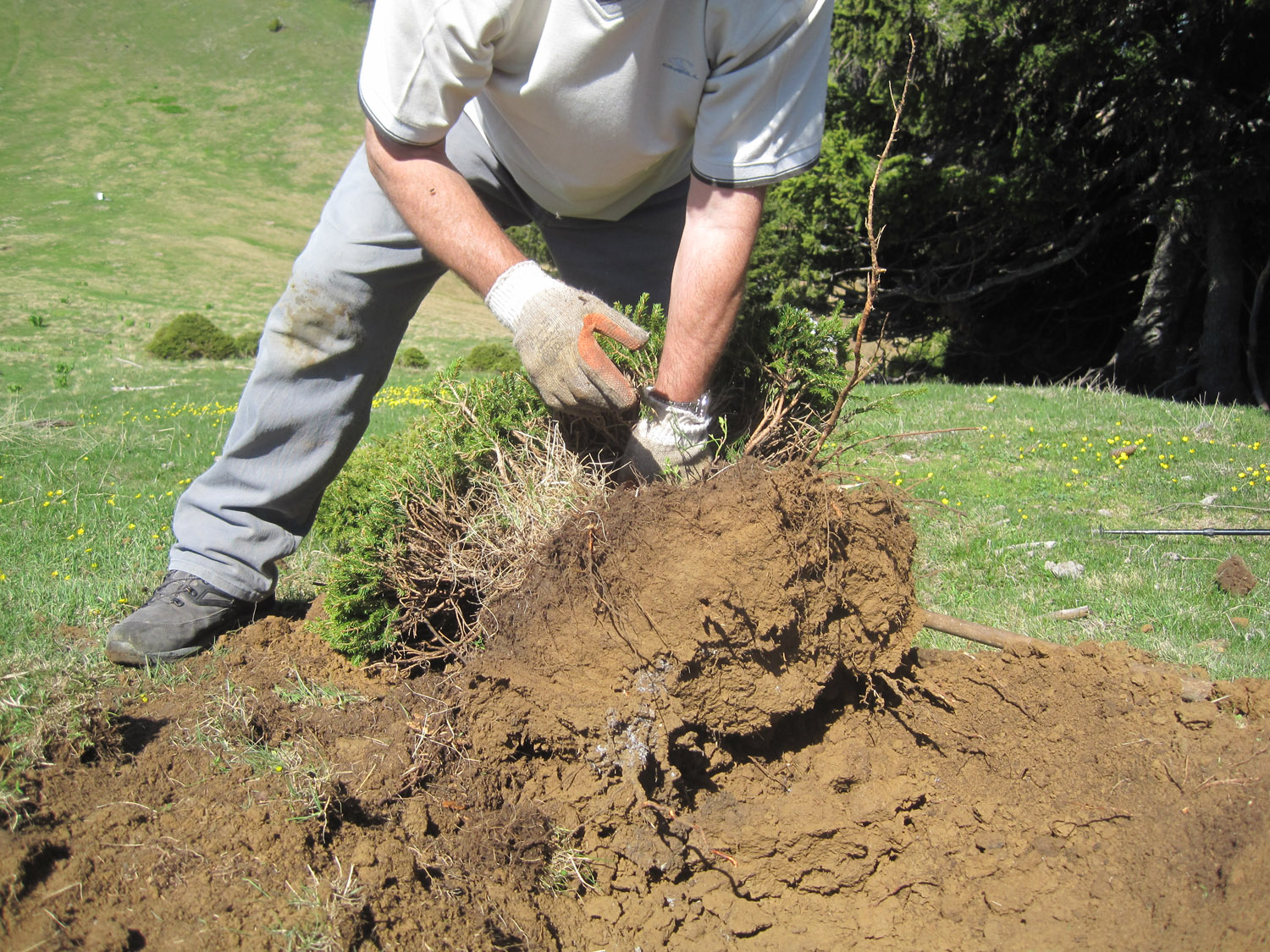
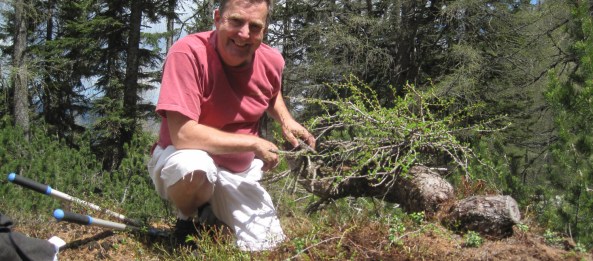
We did collect one tree… MINE! A wonderful small fat spruce that came out of the ground so easy, it had NO tap root and the fine roots did not sink into the ground very far. These trees have been styled/eaten by wildlife so the foliage was very compact.

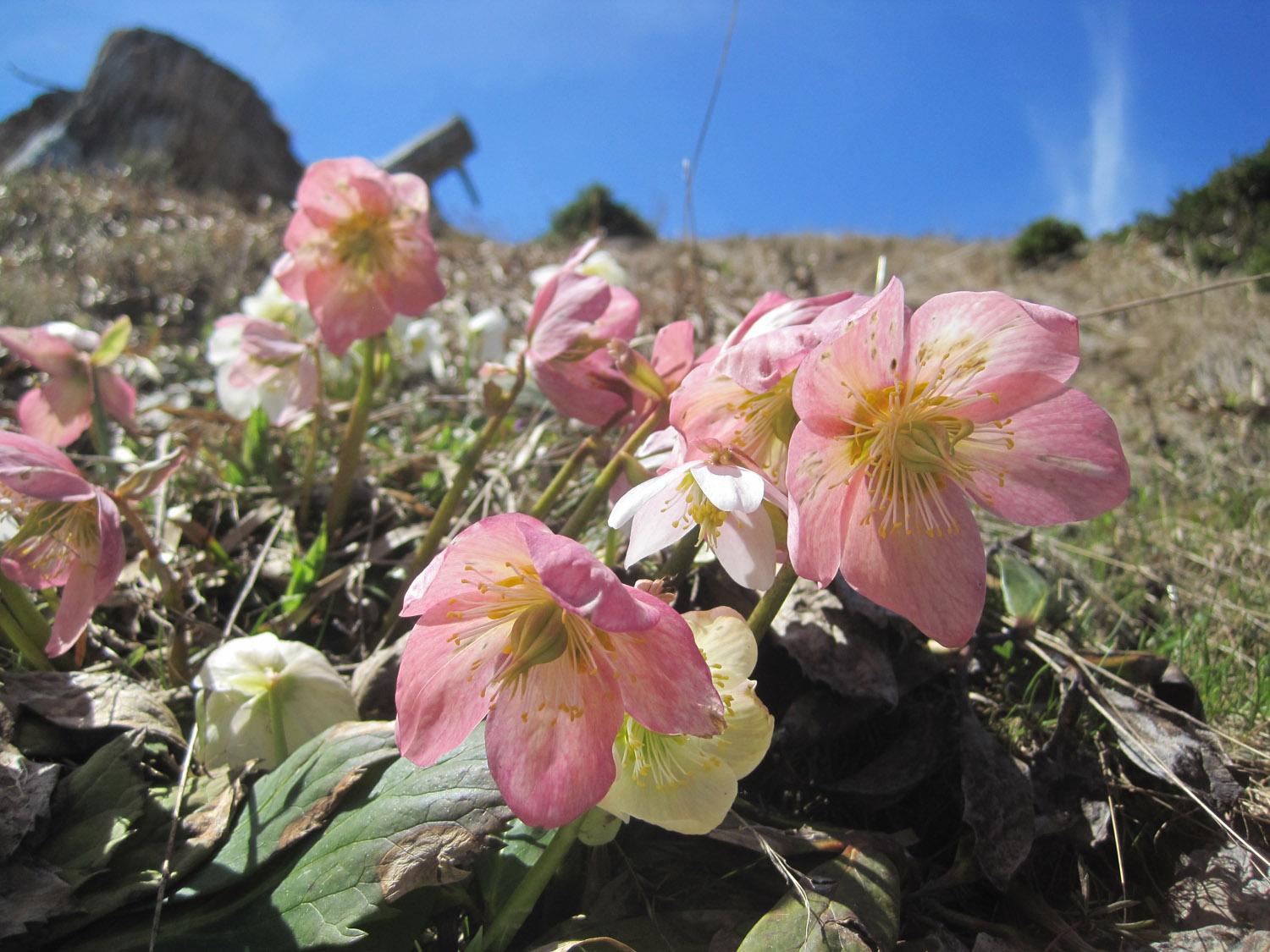
The wild Hellebore were shades of pink and white and there were all over the top of the mountain.

Yamadori hunting on the tree line high in the mountains

Matija was kind enough to take me to one of his happy yamadori hunting grounds. Fortunately we could drive a long way high into the mountains.

We still had to walk/climb for two hours but it sure was worth it! Larch, Spruce and Pine yamadori in abundance. Also the wild flowers at this time of year are spectacular.

We collected a couple of truly beautiful mugo pines with great movement and shari. Then it was on to simply one of the most impressive ‘Sumo’ Larch I have ever seen… and YES! Matija offered it to me… to collect NEXT YEAR! As it was a wee bit late in the season to collect.

So a European tour is in the planning for next year so that I can collect this rather handsome tree.

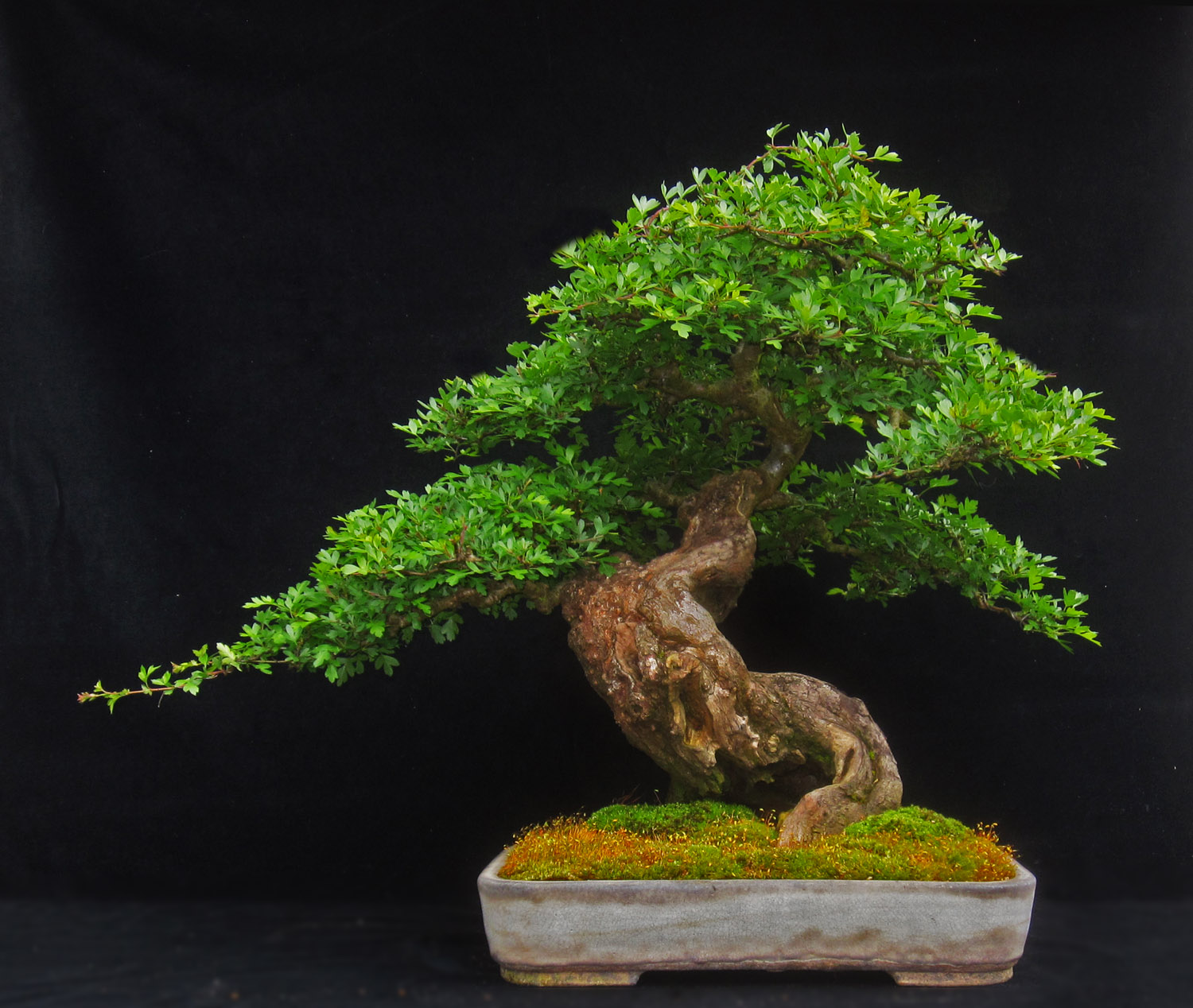
How I collect Yamadori Hawthorns

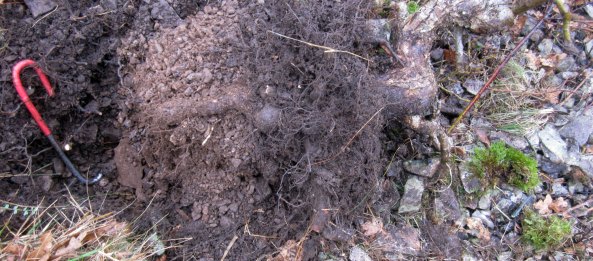
Here is a gallery of images from the last collecting trip to collect hawthorns. They are situated on a hillside surrounded by scrub and large trees. Finding them is not easy as they are the same colour as the rocks. One of the best aspects of this site is that most trees have one large tap root but many fine roots in the layer of soil above the rough stone. You can see the difference in the colour of the soil where the fine roots are. This creates a great nebari and once the tap root is cut off the tree can be place in a shallow container.